



What is the standard quality of steel fiber for concrete floors?
As a supplier of concrete floor steel fibers, I've witnessed firsthand the transformative impact these fibers have on the durability and performance of concrete floors. In the construction industry, where every detail matters, understanding the standard quality of steel fibers for concrete floors is crucial for ensuring the long - term success of any project.
Physical Properties of High - Quality Steel Fibers
The physical characteristics of steel fibers play a significant role in determining their effectiveness in concrete floors. One of the most important aspects is the length and diameter of the fibers. Generally, for concrete floors, steel fibers with a length ranging from 25mm to 60mm are commonly used. Shorter fibers may not provide sufficient reinforcement, while excessively long fibers can lead to balling during the mixing process, reducing their overall effectiveness.
The diameter of the steel fibers typically falls between 0.3mm and 1.0mm. A proper balance between length and diameter is essential. For example, a fiber with a relatively large diameter and short length may not disperse well in the concrete mix, while a very thin and long fiber might break easily during mixing or placement.
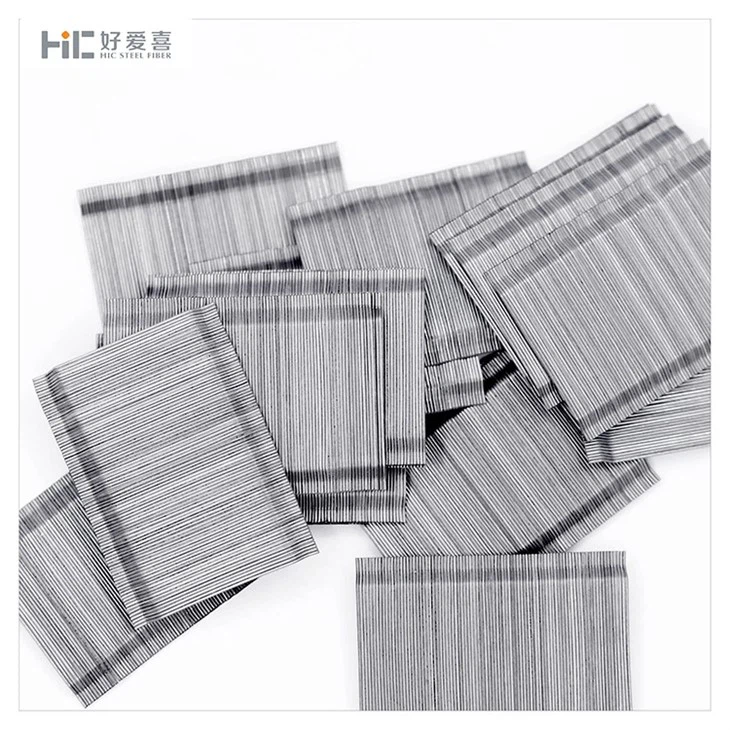
The shape of the steel fibers also matters. There are various shapes available, such as straight, hooked, and crimped. Hooked steel fibers are particularly popular for concrete floors. The hooks at the ends of the fibers provide better anchorage within the concrete matrix. This increased anchorage enhances the fiber's ability to resist pull - out forces, which is crucial when the concrete floor is subjected to loads such as heavy traffic or impact.
Chemical Composition and Corrosion Resistance
The chemical composition of steel fibers is another key factor in determining their quality. High - quality steel fibers are typically made from carbon steel or stainless steel. Carbon steel fibers are cost - effective and widely used. However, they are more prone to corrosion compared to stainless steel fibers.

In environments where the concrete floor may be exposed to moisture, chemicals, or other corrosive agents, stainless steel fibers are a better choice. Stainless steel contains chromium, which forms a passive oxide layer on the surface of the fibers, protecting them from corrosion. This not only extends the lifespan of the steel fibers but also helps maintain the integrity of the concrete floor over time.
Tensile Strength
Tensile strength is a critical property of steel fibers for concrete floors. The tensile strength of the fibers determines their ability to resist pulling forces. Higher tensile strength means that the fibers can withstand greater stress before breaking.
For concrete floors, steel fibers with a minimum tensile strength of 1000 MPa are often recommended. Fibers with high tensile strength can effectively distribute stresses within the concrete, reducing the formation and propagation of cracks. This is especially important in industrial floors that are subject to heavy loads and dynamic forces.
Dispersion Ability
Good dispersion ability is essential for steel fibers in concrete floors. When steel fibers are evenly dispersed throughout the concrete mix, they can provide uniform reinforcement. Poor dispersion can lead to areas of the concrete floor with insufficient reinforcement, increasing the risk of cracking and failure.

To ensure proper dispersion, the surface of the steel fibers should be clean and free from contaminants. Some steel fibers are coated or treated to improve their dispersion in the concrete mix. Additionally, the mixing process itself plays a crucial role. Using a high - speed mixer and following the recommended mixing time can help achieve better dispersion of the steel fibers.
Bond Strength with Concrete
The bond strength between the steel fibers and the concrete matrix is vital for the overall performance of the concrete floor. A strong bond allows the fibers to transfer stresses effectively from the concrete to the fibers.
Factors that affect the bond strength include the surface roughness of the fibers, the shape of the fibers, and the properties of the concrete mix. Hooked and crimped fibers generally have better bond strength compared to straight fibers. The addition of certain admixtures to the concrete mix can also enhance the bond strength between the steel fibers and the concrete.
Industry Standards and Certifications
In the market, there are several industry standards and certifications that can help in assessing the quality of steel fibers for concrete floors. For example, ASTM International has developed standards such as ASTM A820, which provides specifications for steel fibers for use in concrete. These standards cover aspects such as physical properties, chemical composition, and testing methods.
Certifications from recognized organizations indicate that the steel fibers meet certain quality criteria. When choosing steel fibers for a concrete floor project, it is advisable to look for products that comply with relevant industry standards and have appropriate certifications.
Our Product Offerings
As a supplier, we offer a range of high - quality steel fibers for concrete floors. Our [Reinforced Concrete Steel Fiber](/glued - steel - fiber/reinforced - concrete - steel - fiber.html) is designed to provide excellent reinforcement and crack resistance. These fibers have been carefully engineered to meet the physical and chemical requirements for concrete floor applications.
Our [Glued Steel Fibres](/glued - steel - fiber/glued - steel - fibres.html) are another popular option. The glued bundles ensure easy handling and good dispersion during the mixing process. Once the fibers are added to the concrete mix, the glue dissolves, and the fibers disperse evenly throughout the concrete.
For projects that require high - performance solutions, our [High Performance Uhpc Steel Fiber](/glued - steel - fiber/high - performance - uhpc - steel - fiber - 1.html) is an ideal choice. These fibers are made from high - strength materials and are specifically designed for ultra - high - performance concrete (UHPC) applications, offering superior reinforcement and durability.
Conclusion
In conclusion, the standard quality of steel fibers for concrete floors is determined by a combination of physical properties, chemical composition, tensile strength, dispersion ability, bond strength, and compliance with industry standards. Choosing the right steel fibers is essential for ensuring the durability, performance, and longevity of concrete floors.
If you are planning a concrete floor project and are looking for high - quality steel fibers, we are here to assist you. Our team of experts can provide you with detailed information about our products and help you select the most suitable steel fibers for your specific needs. Contact us today to start a discussion about your concrete floor steel fiber requirements.

References
- ASTM International. (Year). ASTM A820: Standard Specification for Steel Fibers for Use in Concrete.
- Neville, A. M. (Year). Properties of Concrete. Pearson Education.
- Mindess, S., Young, J. F., & Darwin, D. (Year). Concrete. Prentice Hall.