

Hey there! As a supplier of Loose Hooked End Steel Fiber, I've been getting a lot of questions lately about how these fibers can improve the shear strength of concrete. So, I thought I'd sit down and write this blog to share some insights.
First off, let's talk about what shear strength is. In simple terms, shear strength is the ability of a material to resist forces that cause it to slide or deform along a plane. When it comes to concrete, shear strength is super important. It helps the concrete structure handle loads that aren't just pushing straight down but also trying to make parts of the concrete move sideways.
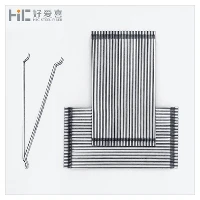
Now, why use Loose Hooked End Steel Fiber to boost this shear strength? Well, these fibers are like little reinforcements inside the concrete. The hooked ends are a game - changer. They anchor the fibers firmly within the concrete matrix. When a shear force is applied, the fibers act as bridges across potential cracks. They prevent the cracks from spreading and growing, which in turn increases the overall shear strength of the concrete.
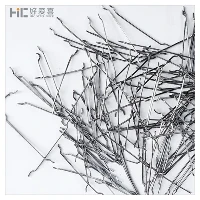
Let's dig a bit deeper into the science. When concrete is mixed with Loose Hooked End Steel Fiber, the fibers distribute randomly throughout the mixture. This random distribution means that no matter where the shear force hits the concrete, there are likely to be fibers in the area to resist the force. The hooked ends grip the surrounding concrete, creating a sort of interlocking effect. This interlocking helps transfer the shear stress from the concrete to the fibers, allowing the fibers to take on some of the load.
One of the cool things about these fibers is that they can be customized to fit different needs. For example, we offer Diameter Matching Hooked End Steel Fiber. The diameter of the fiber can be adjusted to match the specific requirements of your concrete project. If you're working on a project where you need a more precise reinforcement, this type of fiber can be a great choice.
Another option is High Density Hooked End Steel Fiber. As the name suggests, these fibers are packed more densely in the concrete. The higher density means there are more fibers to resist the shear force, leading to an even greater improvement in shear strength.
There are also Steel Fibres for Concrete Reinforcement that are designed to work in harmony with other reinforcement methods. Sometimes, using steel fibers in combination with traditional reinforcement like rebar can provide an extra layer of protection against shear forces.
In real - world applications, the improvement in shear strength can make a huge difference. For example, in bridge construction, the concrete used in bridge decks and piers needs to have high shear strength. Bridges are constantly exposed to heavy traffic loads, and the shear forces can be significant. By adding Loose Hooked End Steel Fiber to the concrete, we can make the bridges more durable and safer.
In industrial floors, too, shear strength is crucial. Forklifts and other heavy machinery move around on these floors, creating shear forces as they turn and stop. Concrete with improved shear strength can withstand these forces better, reducing the risk of cracks and damage over time.
The amount of Loose Hooked End Steel Fiber you add to the concrete also matters. Generally, the more fibers you add, the greater the improvement in shear strength. But there's a balance to strike. Adding too many fibers can make the concrete difficult to mix and place. It's important to work with an engineer or a professional who can help you determine the right dosage for your specific project.
The quality of the fibers is another key factor. At our company, we make sure that our Loose Hooked End Steel Fiber meets high - quality standards. We use top - notch materials and advanced manufacturing processes to ensure that the fibers have the right shape, strength, and durability.
Testing is also an important part of the process. Before using the fiber - reinforced concrete in a large - scale project, it's a good idea to conduct some tests. You can test the shear strength of small samples of the concrete with different fiber dosages. This way, you can see exactly how much improvement you're getting and make any necessary adjustments.
So, if you're involved in a concrete project and you're looking to improve the shear strength, Loose Hooked End Steel Fiber could be the answer. Whether you're building a small sidewalk or a large commercial building, these fibers can offer significant benefits.
If you're interested in learning more about our Loose Hooked End Steel Fiber or have any questions about how it can improve the shear strength of your concrete, don't hesitate to reach out. We're here to help you find the best solution for your project. We can provide samples, technical support, and all the information you need to make an informed decision.


In conclusion, Loose Hooked End Steel Fiber is a great way to enhance the shear strength of concrete. With its unique hooked ends, random distribution, and customizable options, it offers a reliable and effective solution for a wide range of concrete applications. So, why not give it a try and see the difference it can make in your next project?
References
- Neville, A. M. (2011). Properties of Concrete. Pearson Education.
- ACI Committee 544. (1996). State - of - the - Art Report on Fiber - Reinforced Concrete. American Concrete Institute.