


As a supplier of High Strength Steel Fiber, I've witnessed firsthand the dynamic shifts in market demand over the years. High strength steel fiber has emerged as a critical material in various industries, and understanding its market demand is essential for businesses like ours to thrive.
Construction Industry: The Primary Consumer
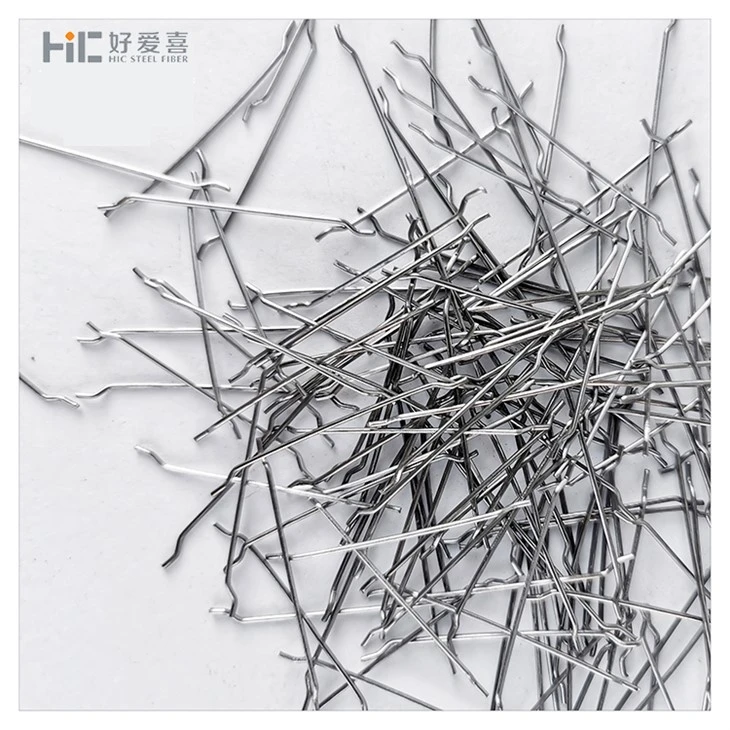
The construction industry stands as the largest consumer of high strength steel fiber. In concrete structures, the addition of steel fibers significantly enhances the material's performance. High Strength Hooked End Steel Fiber is particularly popular in this sector. These fibers are designed with hooked ends, which provide better anchorage within the concrete matrix. This results in improved crack resistance, increased toughness, and enhanced durability of the concrete.
For large - scale infrastructure projects such as bridges, tunnels, and high - rise buildings, the demand for high strength steel fiber is constantly on the rise. Bridges, for example, are subject to heavy traffic loads, environmental factors like corrosion, and seismic activities. By incorporating high strength steel fiber into the concrete used in bridge construction, engineers can ensure the long - term integrity of the structure. The fiber reinforcement helps to control cracking, which is a major concern in bridge decks and piers. This not only extends the service life of the bridge but also reduces maintenance costs over time.
In the case of tunnels, high strength steel fiber - reinforced concrete can withstand the high pressure and ground movements. It provides better support to the tunnel lining, reducing the risk of collapse. Moreover, in high - rise buildings, the use of Concrete Steel Fiber can enhance the structural performance of columns, beams, and slabs. The fibers distribute the load more evenly, improving the overall stability of the building, especially during extreme events such as earthquakes.
Mining and Tunneling
The mining and tunneling industry also has a substantial demand for high strength steel fiber. In underground mines, the use of steel fiber - reinforced shotcrete is widespread. Shotcrete is a method of applying concrete by spraying it onto a surface under high pressure. When high strength steel fibers are added to the shotcrete mix, it forms a strong and durable lining for mine tunnels and stopes.
The harsh conditions in mines, including rock falls, seismic activity, and water ingress, require a robust support system. High strength steel fiber - reinforced shotcrete can resist these challenges effectively. The fibers prevent the propagation of cracks in the shotcrete, providing better protection for miners and equipment. Additionally, the use of steel fibers can reduce the thickness of the shotcrete lining, which saves on material costs and installation time.
Industrial Flooring
Industrial flooring is another area where high strength steel fiber is in high demand. Warehouses, factories, and distribution centers require floors that can withstand heavy loads, abrasion, and impact. Hooked End Steel Fiber is commonly used in industrial flooring applications.
The addition of steel fibers to the concrete floor mix improves its flexural strength and impact resistance. This means that the floor can better handle the movement of heavy machinery, forklifts, and pallet racks without cracking or deteriorating. Steel fiber - reinforced industrial floors also have better resistance to abrasion, which is crucial in areas with high - traffic and heavy - duty operations. This reduces the need for frequent floor repairs and replacements, resulting in significant cost savings for industrial facility owners.
Precast Concrete Products
The precast concrete industry has also recognized the benefits of high strength steel fiber. Precast concrete products such as pipes, manholes, and prefabricated building components can be made stronger and more durable with the addition of steel fibers.
In the production of precast pipes, for example, high strength steel fiber can improve the pipe's resistance to internal and external pressures. This is especially important for sewer pipes and water supply pipes, which are subject to various forces during installation and operation. Manholes made with steel fiber - reinforced concrete are more resistant to cracking and damage from ground movement and traffic loads. Prefabricated building components like wall panels and roof trusses can also benefit from the enhanced strength and toughness provided by steel fibers, making them more suitable for use in different construction projects.
Market Trends and Future Outlook
The market demand for high strength steel fiber is expected to continue growing in the coming years. One of the key drivers of this growth is the increasing focus on sustainable construction. High strength steel fiber - reinforced concrete can contribute to sustainable building practices by reducing the need for traditional reinforcement methods such as steel bars. This not only saves on material resources but also reduces the carbon footprint associated with the production and transportation of steel bars.
Another trend is the development of new and improved steel fiber products. Manufacturers are constantly researching and innovating to produce steel fibers with better performance characteristics. For example, there is a growing interest in the development of ultra - high - strength steel fibers that can provide even greater reinforcement to concrete. These new products are likely to open up new applications and markets for high strength steel fiber.
However, the market also faces some challenges. The cost of high strength steel fiber can be relatively high compared to traditional concrete reinforcement methods. This may limit its adoption in some price - sensitive markets. Additionally, there is a need for better education and awareness among engineers, contractors, and end - users about the benefits and proper use of high strength steel fiber.
Conclusion
In conclusion, the market demand for high strength steel fiber is diverse and growing. The construction, mining, industrial flooring, and precast concrete industries all rely on this material to enhance the performance and durability of their products and structures. As a supplier of high strength steel fiber, we are committed to meeting the evolving needs of our customers. We offer a wide range of high - quality steel fiber products, including High Strength Hooked End Steel Fiber, Concrete Steel Fiber, and Hooked End Steel Fiber.
If you are in need of high strength steel fiber for your project, we encourage you to reach out to us for more information and to discuss your specific requirements. Our team of experts is ready to assist you in selecting the right product and providing technical support. Whether you are a large - scale construction company, a mining operator, or an industrial facility owner, we can help you find the best solution for your needs.

References
- ACI Committee 544. (2017). State - of - the - Art Report on Fiber - Reinforced Concrete. American Concrete Institute.
- Neville, A. M. (2011). Properties of Concrete. Pearson Education.
- Malhotra, V. M., & Mehta, P. K. (2014). Concrete: Microstructure, Properties, and Materials. McGraw - Hill Education.