


Hey there! As a supplier of glued type steel fiber, I've been getting a lot of questions lately about its corrosion resistance. So, I thought I'd take a moment to share some insights on this important topic.
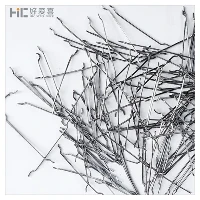
First off, let's talk about what glued type steel fiber is. It's basically steel fiber that's been treated with a special adhesive to form bundles. These bundles are easier to handle and disperse evenly in concrete, which helps enhance the performance of the concrete.
Now, let's get to the nitty - gritty of corrosion resistance. Corrosion is a big deal in the construction industry. When steel corrodes, it can lead to all sorts of problems in concrete structures. It can cause cracking, spalling, and a reduction in the overall strength and durability of the concrete.
The corrosion resistance of glued type steel fiber largely depends on several factors. One of the key factors is the type of steel used. We usually use high - quality steel that has some inherent resistance to corrosion. For example, stainless steel is a great option as it contains chromium, which forms a passive oxide layer on the surface of the steel. This layer acts as a barrier, preventing oxygen and water from reaching the steel underneath and thus slowing down the corrosion process.


But most of the glued type steel fibers we supply aren't stainless steel. Instead, they're made from carbon steel. Carbon steel is more prone to corrosion compared to stainless steel. However, the good news is that the glue coating on the steel fiber can provide an additional layer of protection. The glue acts as a physical barrier between the steel and the aggressive environment, such as the alkaline environment in concrete or exposure to moisture and salts.
Another important aspect is the environment in which the glued type steel fiber is used. In a normal concrete environment, the high alkalinity of the concrete itself can provide a certain level of protection to the steel fiber. The alkaline environment helps to passivate the steel surface, making it less likely to corrode. But if the concrete is exposed to harsh conditions, like sea water with high salt content or acidic rain, the corrosion risk increases.
In order to improve the corrosion resistance of our glued type steel fibers, we've done a lot of research and testing. We've optimized the formulation of the glue to make it more resistant to various environmental factors. The glue we use now can withstand high humidity, salty environments, and some mild chemical attacks.
Let's take a look at some of the products we offer and how their corrosion resistance might affect your projects. We have the Concrete Floor Steel Fiber. This type of fiber is great for concrete floors. In most cases, concrete floors are exposed to normal foot or vehicle traffic, along with occasional moisture. The glued type design ensures uniform distribution in the concrete, and the glue coating provides a decent level of protection against the moisture in the cementitious environment, enhancing the overall durability of the floor and resisting corrosion - related damage over time.
Then there's the Small Rebound Glued Steel Fiber. This is often used in shotcrete applications. Shotcrete can be exposed to different environmental conditions, depending on whether it's used in tunnels, mines, or on building facades. The small rebound characteristic ensures less waste during application, and the glue on the fiber protects it from the early - stage exposure to moisture and other elements in the construction process. It also helps maintain the integrity of the fiber within the shotcrete, which is crucial for long - term corrosion resistance of the structure.
And our Good Ductility Glued Steel Fiber is another popular choice. Ductility is an important property as it allows the concrete to withstand deformation without cracking easily. The glue on this fiber helps protect the steel from corrosion even when the concrete structure is subjected to stress and minor movement. It ensures that the fiber remains effective in reinforcing the concrete and minimizes the risk of corrosion - induced structural failures.
We've also conducted various tests on our glued type steel fibers. In the laboratory, we've simulated different corrosion - prone environments, like immersion in saltwater solutions and exposure to acidic atmospheres. The results have been quite encouraging. The fibers with the proper glue coating show significantly less corrosion compared to uncoated steel fibers.
In real - world applications, we've seen many long - lasting concrete structures that use our glued type steel fibers. For instance, in some coastal buildings, where the concrete is regularly exposed to salt - laden air and sea spray, the use of our glued type steel fibers has helped the concrete maintain its strength and appearance for decades.
If you're involved in a construction project, understanding the corrosion resistance of glued type steel fibers is really important. You want to make sure that the concrete structure you're building will stand the test of time. By choosing our high - quality glued type steel fibers, you can have peace of mind knowing that you're getting a product that offers good corrosion protection.
We're always here to help you find the right product for your specific needs. Whether you're building a small residential project or a large commercial structure, our team of experts can assist you in determining the best type of glued type steel fiber. So, if you're interested in purchasing our glued type steel fibers or have any questions about their corrosion resistance or other properties, don't hesitate to reach out for a procurement discussion. We'd love to work with you to ensure the success of your project!
References
- ASTM International. (Year). Standard test methods related to steel fibers in concrete. ASTM standards.
- Concrete Society. (Year). Technical reports on the performance of steel fiber - reinforced concrete.