



Determining the right steel fiber for a specific concrete floor project is a crucial step that can significantly influence the performance, durability, and overall success of the construction. As a supplier of Steel Fiber for Concrete Floor, I have witnessed firsthand the impact of choosing the appropriate steel fibers. In this blog, I will share some insights on how to make this important decision.
Understanding the Project Requirements
The first step in determining the right steel fiber is to thoroughly understand the requirements of the concrete floor project. Different projects have different demands, and these requirements will guide the selection process.
Load - Bearing Capacity
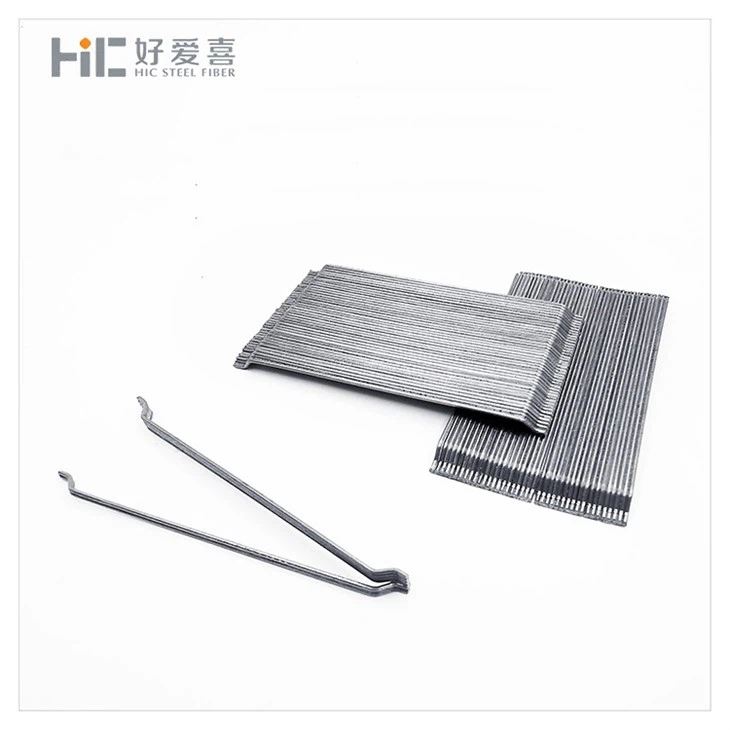
If the concrete floor is going to be subjected to heavy loads, such as in industrial warehouses, distribution centers, or parking garages, high - strength steel fibers are essential. For example, a large - scale warehouse that stores heavy machinery and palletized goods requires a concrete floor with excellent load - bearing capacity. In such cases, Hooked Glued Carbon Steel Fiber can be a great choice. The hooked shape of these fibers provides better anchorage within the concrete matrix, enhancing the floor's ability to resist cracking under heavy loads.
Wear and Tear
Floors in areas with high traffic, like retail stores, airports, or manufacturing facilities, are prone to wear and tear. Steel fibers can improve the abrasion resistance of the concrete floor. For a busy airport terminal where thousands of passengers and heavy luggage carts move across the floor daily, a concrete floor reinforced with the right steel fibers can maintain its surface integrity for a longer time. The addition of steel fibers distributes the stress caused by abrasion more evenly, reducing the rate of surface deterioration.
Crack Resistance
Controlling cracks is a major concern in concrete floor construction. Shrinkage cracks can occur as the concrete dries and hardens, and these cracks can compromise the structural integrity and aesthetic appeal of the floor. Steel fibers can help in reducing the formation and propagation of cracks. For a residential basement floor, where minor cracks can lead to water seepage and other issues, using Concrete Floor Steel Fiber can provide the necessary crack - resistance. The fibers act as a reinforcement network, holding the concrete together and preventing cracks from spreading.
Evaluating Steel Fiber Properties
Once the project requirements are clear, it is important to evaluate the properties of different steel fibers.
Fiber Shape
The shape of the steel fiber has a significant impact on its performance in the concrete. Hooked fibers, as mentioned earlier, offer better anchorage compared to straight fibers. The hooks at the ends of the fibers interlock with the concrete matrix, providing a stronger bond. This results in improved crack - resistance and load - transfer capabilities. However, straight fibers may be more suitable in some applications where ease of mixing is a priority. They tend to disperse more easily in the concrete mixture, which can be beneficial in small - scale projects or when using less sophisticated mixing equipment.
Fiber Length
The length of the steel fiber also plays a role in its effectiveness. Longer fibers generally provide better reinforcement in terms of crack - control and load - bearing capacity. However, they can be more difficult to mix evenly in the concrete. Shorter fibers, on the other hand, are easier to disperse but may not offer the same level of reinforcement as longer fibers. For a project where a high degree of crack - resistance is required in a relatively thick concrete floor, longer steel fibers may be preferred. In contrast, for a thin - section concrete floor, shorter fibers can be a more practical choice.
Fiber Diameter
The diameter of the steel fiber affects its stiffness and strength. Thicker fibers are stiffer and can carry more load, but they may also be more difficult to disperse in the concrete. Thinner fibers are more flexible and can be distributed more easily, but they may have lower load - carrying capacity. The choice of fiber diameter depends on the specific requirements of the project. For a high - load - bearing floor, a thicker diameter fiber may be necessary, while for a floor with less demanding load conditions, a thinner fiber can be used.
Considering the Concrete Mix Design
The concrete mix design also influences the selection of steel fibers.
Aggregate Size
The size of the aggregate in the concrete mix is an important factor. If the aggregate size is large, longer and thicker steel fibers may be required to ensure proper reinforcement. The fibers should be able to bridge the gaps between the aggregates and provide effective crack - control. In a concrete mix with small - sized aggregates, shorter and thinner fibers may be sufficient.
Water - Cement Ratio
The water - cement ratio affects the workability and strength of the concrete. A lower water - cement ratio generally results in stronger concrete but may also make it more difficult to mix in the steel fibers. In such cases, it may be necessary to choose steel fibers that are easier to disperse, such as shorter or straight fibers. A higher water - cement ratio can improve workability but may reduce the strength of the concrete. In this situation, using high - strength steel fibers can help compensate for the potential loss of strength.

Conducting Testing and Trials
Before finalizing the choice of steel fiber for a large - scale project, it is advisable to conduct testing and trials.
Laboratory Testing
Laboratory tests can provide valuable information about the performance of the concrete with different types of steel fibers. Compressive strength tests, flexural strength tests, and crack - resistance tests can be carried out to compare the properties of concrete samples reinforced with various steel fibers. These tests can help in determining the most suitable fiber type, length, and dosage for the specific project.
Field Trials
Field trials involve constructing a small - scale section of the concrete floor using different steel fiber options. This allows for a real - world assessment of the fibers' performance in terms of workability, placement, and long - term durability. Field trials can also help in identifying any potential issues, such as fiber balling or uneven distribution, that may not be apparent in laboratory tests.
Cost - Benefit Analysis
Finally, cost is an important consideration in any construction project. While high - performance steel fibers may offer better results, they can also be more expensive. It is essential to conduct a cost - benefit analysis to determine the most cost - effective option. Consider the long - term savings in terms of reduced maintenance, longer service life, and improved performance when evaluating the cost of different steel fibers. For example, investing in more expensive but high - quality steel fibers for a commercial building floor may result in lower repair and replacement costs over the building's lifespan.
In conclusion, determining the right steel fiber for a specific concrete floor project requires a comprehensive understanding of the project requirements, evaluation of steel fiber properties, consideration of the concrete mix design, conducting testing and trials, and a cost - benefit analysis. As a Steel Fiber for Concrete Floor supplier, I am committed to helping our customers make the best choices for their projects. If you are planning a concrete floor project and need assistance in selecting the right steel fiber, please feel free to contact us. We have a team of experts who can provide you with detailed advice and guidance based on your specific needs.
References
- ACI 544.1R - 96, "Report on Fiber - Reinforced Concrete"
- Malhotra, V. M., & Mehta, P. K. (2006). Concrete: Microstructure, Properties, and Materials. McGraw - Hill.
- Neville, A. M. (2011). Properties of Concrete. Pearson Education.