


When it comes to constructing a durable and high - performance concrete floor, choosing the right steel fiber is crucial. As a supplier of steel fiber for concrete floors, I have witnessed firsthand the impact that the correct selection of steel fiber can have on the overall quality and longevity of a concrete floor. In this blog, I will share some key factors to consider when choosing the right steel fiber for your concrete floor.
Understanding the Role of Steel Fibers in Concrete Floors
Steel fibers are added to concrete to enhance its mechanical properties. They act as a reinforcement, improving the concrete's resistance to cracking, impact, and fatigue. When properly dispersed in the concrete mix, steel fibers can significantly increase the floor's durability, reducing the need for costly repairs and maintenance over time.
Types of Steel Fibers
There are several types of steel fibers available in the market, each with its own unique characteristics and applications.
Glued Type Steel Fiber
Glued Type Steel Fiber is a popular choice for concrete floors. The fibers are glued together in bundles, which helps in easy handling and uniform distribution during the mixing process. This type of steel fiber is known for its excellent dispersion in the concrete, ensuring that the reinforcement is evenly spread throughout the floor.
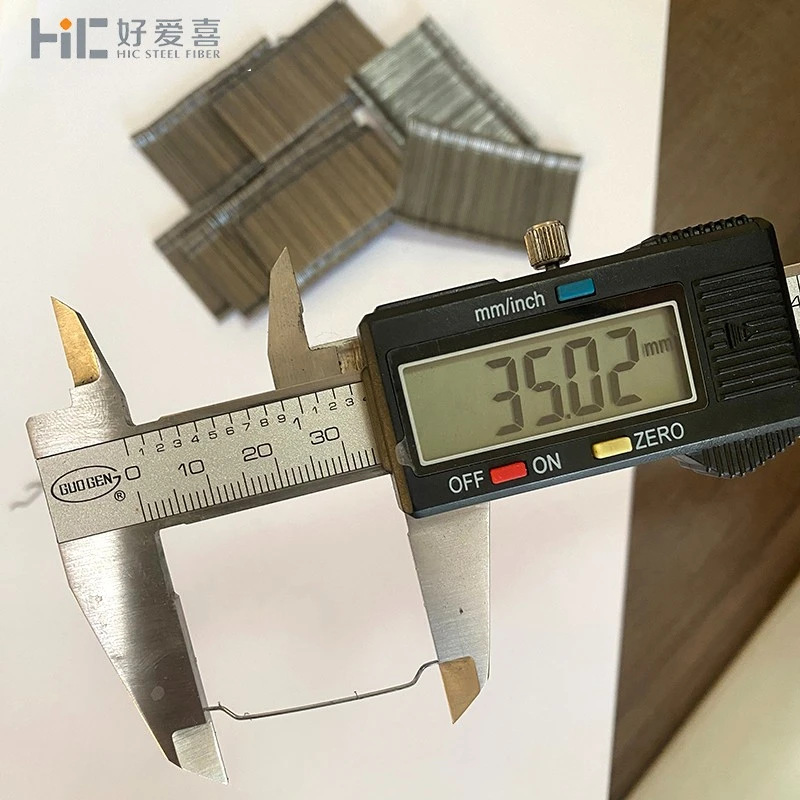
Supersack 0.62*35 Glued Steel Fiber
Supersack 0.62*35 Glued Steel Fiber is a specific type of glued steel fiber with a particular diameter and length. The dimensions of the fiber play a significant role in determining its performance. The 0.62 - diameter and 35 - length fibers are designed to provide optimal reinforcement for concrete floors, enhancing their strength and durability.
Steel Fibres for Precast Concrete
Steel Fibres for Precast Concrete are also an option for concrete floors, especially in precast applications. These fibers are engineered to meet the specific requirements of precast concrete elements, providing enhanced strength and crack resistance.
Factors to Consider When Choosing Steel Fibers
Fiber Geometry
The geometry of the steel fiber, including its length, diameter, and shape, has a significant impact on its performance in concrete. Longer fibers generally provide better crack - bridging capabilities, while shorter fibers can improve the workability of the concrete mix. The aspect ratio (the ratio of length to diameter) is also an important factor. A higher aspect ratio typically results in better reinforcement.
Tensile Strength
The tensile strength of the steel fiber is a crucial property. Higher tensile strength means that the fiber can withstand greater forces without breaking, providing better reinforcement to the concrete. When choosing steel fibers, it is important to select those with a high tensile strength to ensure the long - term durability of the concrete floor.
Bond Strength
The bond strength between the steel fiber and the concrete matrix is essential for effective reinforcement. A strong bond ensures that the fiber can transfer stress from the concrete to itself, preventing crack propagation. Factors such as the surface texture of the fiber and the chemical composition of the concrete can affect the bond strength.
Dosage
The dosage of steel fibers in the concrete mix is another important consideration. The appropriate dosage depends on the specific requirements of the project, such as the expected load, the type of concrete, and the desired level of reinforcement. Generally, a higher dosage of steel fibers will result in better performance, but it is important to balance the cost and the benefits.

Project - Specific Considerations
Application
The application of the concrete floor is a key factor in choosing the right steel fiber. For example, in industrial floors that are subject to heavy traffic and impact loads, a higher - strength steel fiber with a larger aspect ratio may be required. On the other hand, for residential floors, a lower - dosage and more flexible steel fiber may be sufficient.
Environmental Conditions
The environmental conditions in which the concrete floor will be located also play a role in the selection of steel fibers. In corrosive environments, such as areas with high humidity or exposure to chemicals, stainless - steel fibers may be a better choice to prevent corrosion.
Cost - Benefit Analysis
Cost is always a consideration in any construction project. While high - performance steel fibers may offer better reinforcement, they may also be more expensive. It is important to conduct a cost - benefit analysis to determine the most cost - effective option for your project.
Quality Assurance
As a supplier, we understand the importance of quality assurance. We ensure that all our steel fibers meet the highest industry standards. Our fibers are tested for tensile strength, bond strength, and other important properties to ensure that they provide reliable reinforcement for concrete floors.
Conclusion
Choosing the right steel fiber for a concrete floor is a complex decision that requires careful consideration of various factors. By understanding the different types of steel fibers, their properties, and the specific requirements of your project, you can make an informed choice that will result in a durable and high - performance concrete floor.
If you are interested in learning more about our steel fiber products or would like to discuss your specific project requirements, we encourage you to contact us for a procurement discussion. Our team of experts is ready to assist you in selecting the right steel fiber for your concrete floor.
References
- Neville, A. M. (2011). Properties of Concrete. Pearson Education.
- ACI Committee 544. (2001). State - of - the - Art Report on Fiber - Reinforced Concrete. American Concrete Institute.