

Hey there! As a supplier of Concrete Floor Steel Fiber, I've seen firsthand how this nifty little addition can make a huge difference in concrete floors, especially when it comes to dealing with ice and snow. So, let's dive into how steel fiber affects the resistance to ice and snow on concrete floors.
First off, what's the big deal with ice and snow on concrete floors? Well, when water seeps into the tiny pores of concrete and then freezes, it expands. This expansion creates internal stress within the concrete, which can lead to cracking, spalling, and overall deterioration of the floor surface. Over time, this not only makes the floor look bad but also compromises its structural integrity.
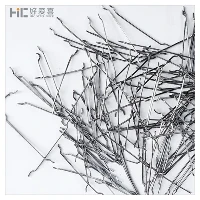
Now, let's talk about how steel fibers come into play. Steel fibers are like the reinforcements in a superhero's suit for concrete floors. They're mixed right into the concrete during the mixing process, and once the concrete sets, they're evenly distributed throughout the structure.
One of the key ways steel fibers improve ice and snow resistance is by enhancing the concrete's toughness. Concrete on its own is pretty brittle. When faced with the stress caused by freezing and thawing cycles, it can crack easily. But when you add steel fibers, they act as a sort of internal support system. They bridge across cracks, preventing them from spreading and growing. This means that even if a crack starts to form due to the expansion of frozen water, the steel fibers hold the concrete together, reducing the risk of major damage.
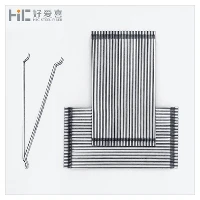
Take Good Ductility Glued Steel Fiber for example. These fibers have excellent ductility, which means they can deform without breaking. When the concrete is under stress from ice and snow, these fibers can stretch and bend to absorb the energy, rather than letting the concrete crack. This helps to maintain the integrity of the floor, even in harsh winter conditions.
Another important factor is the impact of steel fibers on the concrete's permeability. Permeability refers to how easily water can pass through the concrete. A more permeable concrete is more likely to let water in, which then freezes and causes damage. Steel fibers can reduce the permeability of concrete by filling in some of the pores and creating a more tortuous path for water to travel through. This means less water gets into the concrete in the first place, reducing the chances of freeze - thaw damage.
High Tensile Strength Glued Steel Fiber is great for this purpose. With their high tensile strength, they can hold the concrete matrix together more tightly, making it harder for water to penetrate. This type of fiber is particularly useful in areas where there's a lot of snowmelt or standing water on the concrete floor, as it helps to keep the water out and protect the concrete from the damaging effects of freezing.
In addition to improving toughness and reducing permeability, steel fibers can also enhance the abrasion resistance of concrete floors. In winter, there's often a lot of foot traffic, as well as the movement of snow - removal equipment on concrete floors. These activities can cause abrasion, wearing down the surface of the concrete. Steel fibers can increase the surface hardness of the concrete, making it more resistant to abrasion. This is crucial for maintaining the smoothness and functionality of the floor, even after repeated exposure to ice, snow, and the associated traffic.
Reinforced Concrete Steel Fiber is designed specifically to provide this kind of reinforcement. It helps to make the concrete floor more durable and long - lasting, even in the face of the harsh conditions brought on by ice and snow.
Now, let's look at some real - world examples. In commercial parking lots, where cars are constantly driving in and out, and snow and ice are common in winter, concrete floors with steel fibers have shown significantly better performance compared to those without. The floors with steel fibers have fewer cracks, less spalling, and a longer lifespan. This not only saves money on repairs and replacements but also ensures a safer environment for drivers and pedestrians.
In industrial settings, such as warehouses, where heavy equipment is used and the floors need to withstand a lot of wear and tear, steel - fiber - reinforced concrete floors are also a great choice. The improved ice and snow resistance means that the floors can continue to function properly throughout the winter months, without any major disruptions to operations.
So, if you're in charge of a project that involves concrete floors in an area with cold winters, I highly recommend considering using steel fibers. They offer a cost - effective way to improve the performance and durability of your concrete floors, protecting them from the damaging effects of ice and snow.


Whether you're building a new parking lot, a warehouse, or a residential driveway, adding steel fibers to your concrete mix can make a world of difference. It's a simple yet effective solution that can save you a lot of headaches and money in the long run.
If you're interested in learning more about our Concrete Floor Steel Fiber products or want to discuss your specific project requirements, I'd love to hear from you. We can provide you with detailed information about our different types of steel fibers, their properties, and how they can best meet your needs. Don't hesitate to reach out for a friendly chat and to start the process of getting the right steel fiber for your concrete floor project.
References
- Neville, A. M. (1995). Properties of Concrete. Pearson Education.
- ACI Committee 544. (1982). State - of - the - Art Report on Fiber - Reinforced Concrete. American Concrete Institute.