

Cold drawn steel wire fibre is a remarkable material that has significantly impacted the construction industry, particularly in enhancing the performance of concrete. As a supplier of cold drawn steel wire fibre, I have witnessed firsthand the transformative effects it has on concrete structures. In this blog, we will delve into how cold drawn steel wire fibre affects the surface finish of concrete, exploring the science behind it and the practical implications for construction projects.
Understanding Cold Drawn Steel Wire Fibre
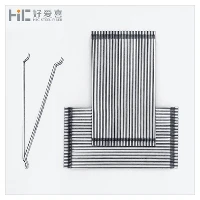
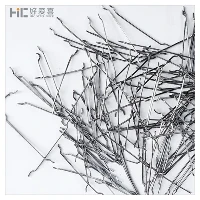
Cold drawn steel wire fibre is produced by drawing high - carbon steel wire through a series of dies to reduce its diameter and increase its strength. The resulting fibres are typically small in diameter, ranging from 0.2 to 1.2 mm, and can vary in length from 20 to 60 mm. These fibres are often used as reinforcement in concrete to improve its mechanical properties, such as tensile strength, flexural strength, and toughness.
Influence on Surface Finish at the Micro - level
At the micro - level, cold drawn steel wire fibres can have a profound impact on the surface finish of concrete. When concrete is mixed with these fibres, they disperse throughout the matrix. As the concrete sets, the fibres act as small internal reinforcements, bridging micro - cracks that may form due to shrinkage or other stresses.
The presence of fibres can also affect the way the concrete surface cures. Fibres can help to distribute the heat generated during the hydration process more evenly, reducing the likelihood of thermal cracking. This even distribution of heat can lead to a more uniform surface finish, with fewer visible defects such as cracks and pits.
Reduction of Plastic Shrinkage Cracking
One of the key ways cold drawn steel wire fibre affects the surface finish is by reducing plastic shrinkage cracking. Plastic shrinkage occurs when the surface of the concrete loses moisture faster than it can be replenished from the interior. This rapid loss of moisture causes the surface to shrink, leading to the formation of cracks.
Cold drawn steel wire fibres act as a restraint against this shrinkage. The fibres hold the concrete matrix together, preventing the cracks from propagating. As a result, the surface of the concrete remains more intact, with a smoother and more aesthetically pleasing finish. This is particularly important in applications where the appearance of the concrete surface is critical, such as in architectural concrete or decorative flooring.
Impact on Abrasion Resistance
The addition of cold drawn steel wire fibres can also improve the abrasion resistance of the concrete surface. In high - traffic areas such as commercial and industrial floors, the surface of the concrete is subjected to significant wear and tear. Fibres reinforce the concrete matrix, making it more resistant to abrasion.
As the fibres are embedded in the concrete, they help to distribute the load more evenly across the surface. This reduces the concentration of stress at any one point, preventing the surface from wearing down as quickly. A more abrasion - resistant surface not only looks better but also has a longer service life, reducing the need for frequent repairs and replacements.
Enhancing Surface Texture
Cold drawn steel wire fibres can also influence the surface texture of concrete. Depending on the type and amount of fibres used, the surface can have a slightly rougher or smoother texture. In some cases, a rougher texture may be desirable, such as in areas where slip resistance is important, like ramps or walkways.
The fibres can create a more irregular surface, providing better traction. On the other hand, if a smooth surface is required, careful selection of fibre type and dosage can help to achieve a more refined finish. For example, using finer - diameter fibres in lower concentrations may result in a smoother surface appearance.
Case Studies: Real - world Applications
To illustrate the impact of cold drawn steel wire fibre on the surface finish of concrete, let's look at some real - world applications. In a large - scale commercial building project, Steel Fiber for Commercial and Industrial Floor was used in the concrete flooring. The addition of the fibres significantly reduced the occurrence of cracks on the surface, resulting in a seamless and professional - looking floor.
In another project, Loose Hooked End Steel Fiber was incorporated into the concrete for a bridge deck. The fibres improved the abrasion resistance of the deck surface, ensuring that it could withstand the heavy traffic and harsh environmental conditions. The surface finish remained smooth and intact, reducing the maintenance requirements over the lifespan of the bridge.
Considerations for Achieving the Best Surface Finish
When using cold drawn steel wire fibre to enhance the surface finish of concrete, several factors need to be considered. First, the dosage of fibres is crucial. Too few fibres may not provide the desired benefits, while too many can lead to clumping and a less - than - ideal surface finish.


The mixing process is also important. Proper mixing ensures that the fibres are evenly distributed throughout the concrete. Inadequate mixing can result in uneven fibre distribution, leading to inconsistent surface properties.
The type of fibre also matters. Concrete Steel Fiber comes in different shapes and sizes, and each type has its own characteristics. For example, hooked - end fibres provide better anchorage within the concrete matrix, which can enhance the overall performance and surface finish.
Conclusion and Call to Action
In conclusion, cold drawn steel wire fibre has a significant impact on the surface finish of concrete. It reduces plastic shrinkage cracking, improves abrasion resistance, and can even influence the surface texture. Whether you are working on a commercial building, an industrial floor, or a civil engineering project, the addition of cold drawn steel wire fibre can enhance the appearance and durability of your concrete structures.
If you are interested in incorporating cold drawn steel wire fibre into your next project, we invite you to contact us for more information. Our team of experts can provide you with detailed product specifications, technical support, and guidance on the best fibre solution for your specific needs. Let's work together to achieve outstanding concrete surface finishes and long - lasting construction projects.
References
- Neville, A. M. (1995). Properties of Concrete. Pearson Education.
- ACI Committee 544. (1982). State - of - the - Art Report on Fiber - Reinforced Concrete. American Concrete Institute.