

Hey there! As a supplier of Glued Steel Fibres, I've been getting a lot of questions lately about whether these little wonders actually reduce cracking in concrete. So, I thought I'd sit down and share what I've learned over the years.
Let's start with the basics. Concrete is an amazing building material, but it has one major flaw - it's prone to cracking. This can happen due to a variety of reasons, like shrinkage as it dries, temperature changes, or external loads. Cracks in concrete aren't just an eyesore; they can also compromise the structural integrity of a building and lead to costly repairs down the line.
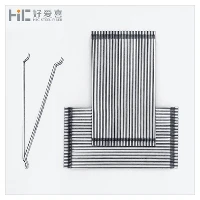
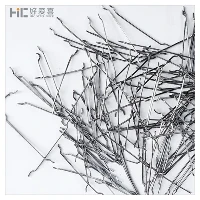
That's where glued steel fibres come in. These are basically small, thin steel fibers that are glued together in bundles. When added to concrete, they disperse evenly throughout the mix, providing reinforcement at a microscopic level. But do they really work?
Well, the short answer is yes. There's a ton of research out there that shows glued steel fibres can significantly reduce cracking in concrete. When concrete starts to crack, the steel fibres act like tiny bridges, holding the cracked pieces together and preventing the crack from spreading. This is known as crack bridging, and it's one of the key ways that glued steel fibres improve the performance of concrete.
One of the main advantages of using glued steel fibres is that they can enhance the toughness of concrete. Toughness is a measure of a material's ability to absorb energy before it fails. By adding glued steel fibres, the concrete becomes more resistant to impact and dynamic loads, which means it's less likely to crack under stress. This is especially important in applications where the concrete is subjected to heavy traffic, such as roads, bridges, and industrial floors.
Another benefit is that glued steel fibres can improve the shrinkage properties of concrete. As concrete dries, it naturally shrinks, which can lead to cracking. The steel fibres help to reduce this shrinkage by restraining the movement of the concrete, keeping it more stable and less prone to cracking. This is particularly useful in large - scale concrete projects, where shrinkage cracking can be a major problem.
Now, let's talk about the different types of glued steel fibres available. We offer a range of products, each designed to meet specific needs. For example, our High Density Glued Type Steel Fiber is great for applications where high strength and toughness are required. It has a higher density of steel fibres, which means it provides more reinforcement and better crack - control.
Our Glued Type Steel Fiber is a more general - purpose option. It's suitable for a wide range of concrete applications, from residential construction to commercial buildings. It offers good crack - resistance and improved durability at a reasonable cost.
And then there's our Flexible Support Glued Steel Fiber. This type of fibre is designed to provide flexible support to the concrete, making it ideal for applications where the concrete is likely to experience movement or vibration. It can help to prevent cracking caused by these dynamic forces.
But don't just take my word for it. There have been numerous field tests and real - world applications that have demonstrated the effectiveness of glued steel fibres. In many construction projects, the use of glued steel fibres has led to significant improvements in the performance and lifespan of the concrete structures.
When it comes to using glued steel fibres in concrete, the dosage is an important factor. The right amount of fibres depends on the specific application and the desired performance of the concrete. Generally, a dosage of 20 - 80 kg per cubic meter of concrete is recommended, but this can vary depending on the project requirements. It's always a good idea to consult with a concrete expert or engineer to determine the optimal dosage for your project.
Adding glued steel fibres to concrete is a relatively straightforward process. They can be added directly to the concrete mixer along with the other ingredients. The gluing of the fibres helps them to disperse evenly in the mix, ensuring that the reinforcement is distributed uniformly throughout the concrete.
In terms of cost - effectiveness, using glued steel fibres can actually save you money in the long run. While the initial cost of the fibres may add to the overall cost of the concrete, the reduced need for repairs and maintenance can result in significant savings over the life of the structure. Plus, the improved performance of the concrete means that it can last longer, which is a great investment for any construction project.
If you're involved in a concrete project and you're looking for a way to reduce cracking and improve the performance of your concrete, I highly recommend considering glued steel fibres. We're here to help you choose the right product for your needs and provide you with all the information you need to make an informed decision.


Whether you're building a small residential patio or a large commercial complex, glued steel fibres can make a big difference. They offer a simple and effective solution to the problem of concrete cracking, and they can help you create stronger, more durable concrete structures.
If you're interested in learning more about our glued steel fibres or would like to discuss your specific project requirements, feel free to reach out. We're always happy to talk to potential customers and help them find the best solution for their concrete needs. Contact us today to start the conversation about how our glued steel fibres can benefit your next project.
References
- ACI 544.1R - 96, “Report on Fiber - Reinforced Concrete,” American Concrete Institute.
- Naaman, A. E., & Reinhardt, H. W. (Eds.). (2003). Fibre - Reinforced Concrete: Design and Applications. CRC Press.
- Banthia, N., & Gupta, A. (2011). “Fiber - Reinforced Concrete: An Overview After 30 Years of Development,” Canadian Journal of Civil Engineering, 38(1), 1 - 16.