


Can Loose Hooked End Steel Fiber be used in thin - walled concrete structures?
In the realm of construction, the pursuit of high - performance and durable materials is a never - ending journey. As a supplier of Loose Hooked End Steel Fiber, I am often asked whether these fibers can be effectively used in thin - walled concrete structures. In this post, I'll delve into this question, exploring the properties of Loose Hooked End Steel Fiber, its benefits, and potential challenges when used in thin - walled concrete.
Understanding Loose Hooked End Steel Fiber
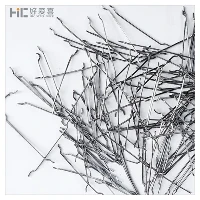
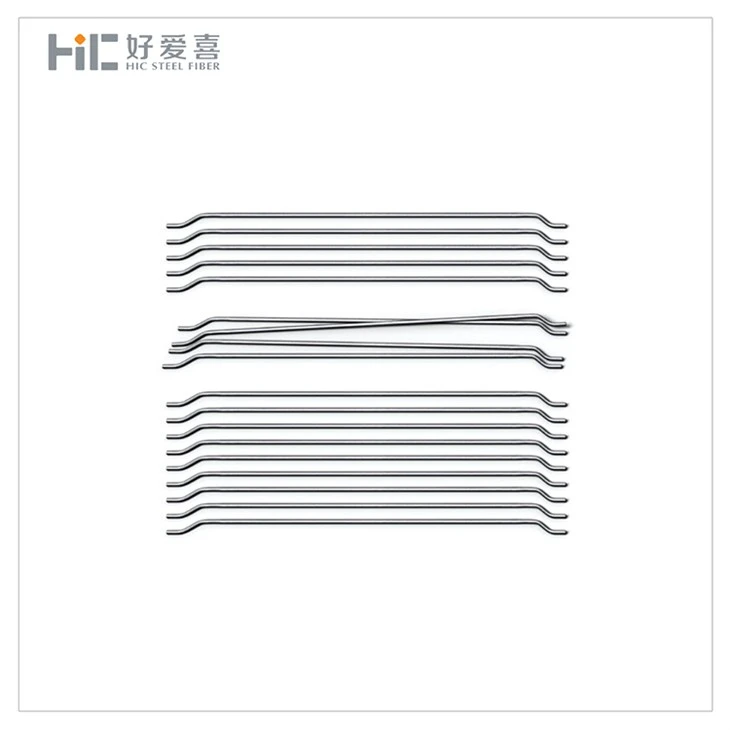
Loose Hooked End Steel Fiber, a type of reinforcement material, is made from high - strength steel. The hooked ends are a key design feature. These hooks enhance the bond between the fiber and the concrete matrix, preventing the fibers from being pulled out easily under stress.
Compared to other types of steel fibers, such as Cold Drawn Steel Wire Fibre and Low Carbon Steel Fiber, Loose Hooked End Steel Fiber offers unique advantages. The loose form allows for better dispersion in the concrete mix, ensuring a more uniform distribution of reinforcement throughout the structure.
Advantages of Using Loose Hooked End Steel Fiber in Thin - Walled Concrete Structures
- Enhanced Tensile Strength
Thin - walled concrete structures are often more susceptible to cracking due to their limited cross - sectional area. Loose Hooked End Steel Fiber can significantly improve the tensile strength of the concrete. When cracks start to form, the fibers bridge the cracks, transferring the stress across the crack faces. This bridging effect helps to control crack propagation and maintain the integrity of the structure. For example, in a thin - walled concrete partition wall, the addition of these fibers can prevent the formation of large cracks that could compromise the wall's functionality. - Improved Durability
Durability is a crucial factor in any concrete structure, especially thin - walled ones. The presence of Loose Hooked End Steel Fiber can enhance the resistance of the concrete to abrasion, impact, and fatigue. In thin - walled structures exposed to harsh environmental conditions or mechanical loads, such as in industrial buildings or precast elements, the fibers can help the concrete withstand these stresses over time. - Reduced Shrinkage Cracking
Concrete undergoes shrinkage as it dries and hardens. In thin - walled structures, this shrinkage can lead to significant cracking. The fibers in the concrete act as a restraint, reducing the shrinkage strain and minimizing the formation of shrinkage cracks. This is particularly important in thin - walled precast elements, where shrinkage cracking can affect the dimensional stability and appearance of the product.
Challenges and Considerations
- Dispersion Issues
Although the loose form of the fiber is beneficial for dispersion, ensuring a uniform distribution in thin - walled concrete can still be a challenge. The small cross - sectional area of thin - walled structures may make it difficult for the fibers to spread evenly. Special mixing techniques may be required to achieve a homogeneous mix. For example, using high - speed mixers or adding fibers gradually during the mixing process can help improve dispersion. - Fiber Balling
Fiber balling can occur when the fibers clump together during mixing. This can reduce the effectiveness of the reinforcement and lead to weak spots in the concrete. To prevent fiber balling, proper handling and storage of the fibers are essential. Additionally, using appropriate admixtures in the concrete mix can help reduce the tendency of the fibers to ball. - Cost
The cost of Loose Hooked End Steel Fiber is relatively higher compared to traditional concrete reinforcement methods. In thin - walled structures, where the volume of concrete is relatively small, the cost of adding fibers may have a more significant impact on the overall project cost. However, it's important to consider the long - term benefits, such as reduced maintenance and improved durability, which can offset the initial investment.
Case Studies
There have been several successful applications of Loose Hooked End Steel Fiber in thin - walled concrete structures. For instance, in a precast thin - walled façade panel project, the addition of these fibers improved the panel's resistance to cracking during handling and installation. The fibers also enhanced the panel's aesthetic appearance by reducing the visibility of surface cracks.
In another case, a thin - walled concrete water tank was reinforced with Loose Hooked End Steel Fiber. The fibers helped to prevent leakage by controlling crack formation, ensuring the long - term functionality of the tank.

Conclusion
In conclusion, Loose Hooked End Steel Fiber can indeed be used in thin - walled concrete structures. Its ability to enhance tensile strength, improve durability, and reduce shrinkage cracking makes it a viable option for such applications. However, challenges such as dispersion, fiber balling, and cost need to be carefully considered.
As a supplier of Loose Hooked End Steel Fiber, I am committed to providing high - quality products and technical support to help you make the most of this innovative reinforcement material. If you are considering using Loose Hooked End Steel Fiber in your thin - walled concrete projects, I encourage you to reach out for a detailed discussion. We can work together to determine the best solution for your specific needs.
If you are interested in learning more about Hooked End Steel Fiber or have any questions regarding its application in thin - walled concrete structures, please don't hesitate to contact us. We are here to assist you in making informed decisions and achieving the best results for your construction projects.
References
- ACI Committee 544. (1982). State - of - the - Art Report on Fiber Reinforced Concrete. American Concrete Institute.
- Naaman, A. E., & Reinhardt, H. W. (Eds.). (2003). Fibre Reinforced Concrete: Design and Applications. E & FN Spon.
- Banthia, N., & Sappakittipakorn, M. (2007). The role of fibers in crack control and durability of concrete. Cement and Concrete Composites, 29(1), 1 - 9.