

As a supplier of Hooked End Steel Fibers, I've often been asked whether these fibers can be effectively used in concrete columns. In this blog post, I'll delve into the technical aspects, benefits, and considerations of using hooked end steel fibers in concrete columns.
Technical Background of Hooked End Steel Fibers
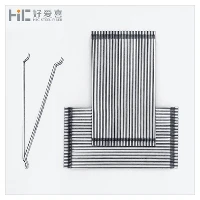
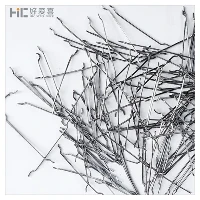
Hooked end steel fibers are a type of reinforcement material used in concrete. They are typically made from high - strength steel and have hooks at both ends. These hooks play a crucial role in enhancing the bond between the fibers and the concrete matrix. When the concrete is under stress, the hooks prevent the fibers from being pulled out easily, thus improving the overall mechanical properties of the concrete.
There are different types of hooked end steel fibers, such as the Low Carbon Steel Fiber and the Hooked End Type Steel Fiber. Low carbon steel fibers are known for their good ductility and relatively low cost, while hooked end type steel fibers are specifically designed to maximize the anchorage in the concrete.
Benefits of Using Hooked End Steel Fibers in Concrete Columns
1. Enhanced Ductility
One of the primary benefits of using hooked end steel fibers in concrete columns is the improvement in ductility. Ductility is the ability of a material to deform plastically before failure. In concrete columns, enhanced ductility means that the column can withstand larger deformations without sudden collapse. This is particularly important in seismic - prone areas, where buildings need to be able to absorb and dissipate energy during an earthquake. The hooked end steel fibers bridge the cracks in the concrete, allowing the column to continue to carry load even after cracking has occurred.
2. Increased Shear Strength
Shear strength is another critical property for concrete columns. Shear forces can cause the column to fail by sliding or splitting. Hooked end steel fibers improve the shear strength of the concrete by providing additional resistance to crack propagation. The fibers act as a reinforcement network, distributing the shear forces more evenly throughout the column. This can reduce the likelihood of shear failure and increase the overall safety of the structure.
3. Crack Control
Concrete is prone to cracking due to various factors such as shrinkage, temperature changes, and loading. Hooked end steel fibers can effectively control crack growth in concrete columns. When a crack starts to form, the fibers bridge the crack and prevent it from growing larger. This not only improves the durability of the column but also enhances its aesthetic appearance. Smaller cracks are less likely to allow the ingress of harmful substances such as water, chloride ions, and carbon dioxide, which can cause corrosion of the reinforcement and deterioration of the concrete over time.
4. Reduced Reinforcement Requirements
In some cases, the use of hooked end steel fibers in concrete columns can reduce the need for traditional steel reinforcement such as rebars. While rebars are still commonly used in columns, the addition of steel fibers can complement or even partially replace them. This can lead to cost savings in terms of material and labor, as well as a more efficient construction process.
Considerations When Using Hooked End Steel Fibers in Concrete Columns
1. Fiber Dosage
The dosage of hooked end steel fibers is a crucial factor that needs to be carefully considered. The optimal dosage depends on various factors such as the design requirements of the column, the type of concrete, and the expected loading conditions. Too low a dosage may not provide the desired benefits, while too high a dosage can lead to problems such as balling of the fibers, which can affect the workability of the concrete and reduce its strength. Generally, the dosage ranges from 20 to 80 kg per cubic meter of concrete, but it should be determined through proper testing and engineering analysis.
2. Mixing and Placement
Proper mixing and placement of the concrete with hooked end steel fibers are essential to ensure the uniform distribution of the fibers throughout the column. The fibers need to be well - dispersed in the concrete to achieve the desired reinforcement effect. Special mixing techniques may be required to prevent the fibers from clumping together. During placement, care should be taken to ensure that the concrete is properly consolidated to avoid the formation of voids or honeycombing.
3. Compatibility with Other Materials
Hooked end steel fibers need to be compatible with other materials used in the concrete, such as cement, aggregates, and admixtures. Some admixtures may interact with the fibers and affect their performance. For example, certain types of superplasticizers may cause the fibers to float to the surface of the concrete. It is important to conduct compatibility tests before using the fibers in a large - scale project.
4. Fire Resistance
While hooked end steel fibers can improve the mechanical properties of concrete columns, their effect on fire resistance needs to be considered. Steel fibers can conduct heat, which may affect the performance of the column during a fire. However, proper design and the use of fire - resistant concrete mixtures can mitigate this issue.
Case Studies and Research Findings
Numerous research studies and real - world case studies have demonstrated the effectiveness of using hooked end steel fibers in concrete columns. For example, a study conducted on a building in a seismic - prone area showed that the use of hooked end steel fibers in the concrete columns significantly improved the building's seismic performance. The columns were able to withstand larger displacements without collapse, and the overall damage to the structure was reduced.


In another case, a bridge column project used hooked end steel fibers to enhance the shear strength of the columns. The results showed that the columns had a higher shear capacity and better crack control compared to traditional columns without steel fibers.
Conclusion
In conclusion, hooked end steel fibers can be effectively used in concrete columns. They offer significant benefits in terms of enhanced ductility, increased shear strength, crack control, and reduced reinforcement requirements. However, careful consideration needs to be given to factors such as fiber dosage, mixing and placement, compatibility with other materials, and fire resistance.
As a supplier of Concrete Steel Fiber, I am committed to providing high - quality hooked end steel fibers and technical support to ensure the successful application of our products in concrete columns. If you are interested in using hooked end steel fibers in your concrete column projects, I encourage you to contact me for further information and to discuss your specific requirements. We can work together to develop the most suitable solution for your project.
References
- "Fiber - Reinforced Concrete: State - of - the - Art Report", ACI Committee 544.
- "Seismic Behavior of Concrete Columns Reinforced with Steel Fibers", Journal of Structural Engineering.
- "Shear Strength of Fiber - Reinforced Concrete Columns", Proceedings of the American Concrete Institute.