



Can FRC steel fibres be used in concrete structures exposed to freeze - thaw cycles?
As a supplier of FRC (Fiber Reinforced Concrete) steel fibres for concrete, I often encounter questions from customers regarding the suitability of our products in various environments. One of the most common inquiries is whether FRC steel fibres can be effectively used in concrete structures that are exposed to freeze - thaw cycles. In this blog, I will delve into this topic, exploring the science behind it and providing insights based on our experience and industry knowledge.
Understanding Freeze - Thaw Cycles
Freeze - thaw cycles occur when water within the pores of concrete freezes and thaws repeatedly. When water freezes, it expands by approximately 9%. This expansion creates internal pressure within the concrete. If the pressure exceeds the tensile strength of the concrete, it can lead to the formation of cracks. Over time, these cracks can propagate, causing spalling, scaling, and ultimately, a significant reduction in the structural integrity of the concrete.
The Role of FRC Steel Fibres in Concrete
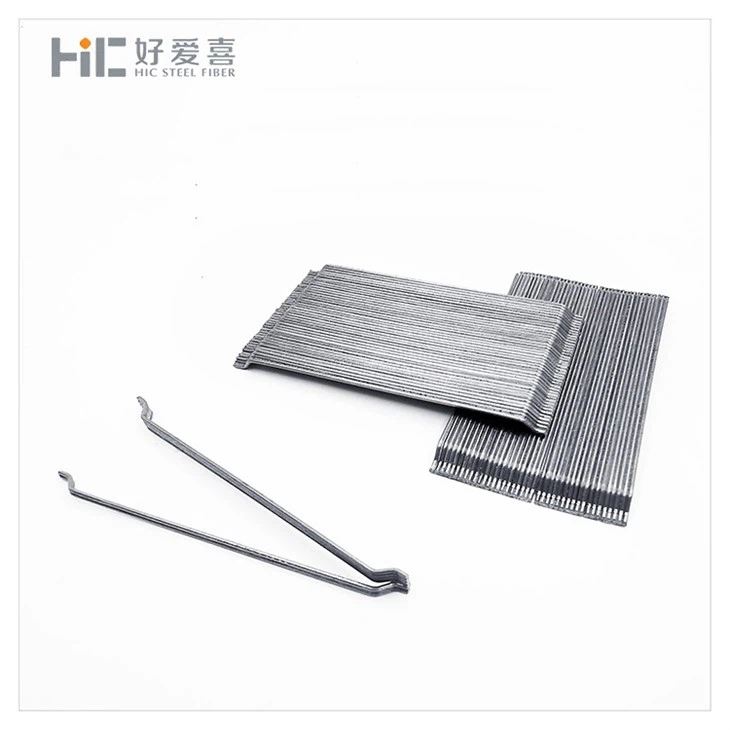
FRC steel fibres are small, discrete pieces of steel that are added to concrete during the mixing process. They are typically made of carbon steel and come in various shapes, such as straight, hooked, and crimped. The addition of steel fibres to concrete enhances its mechanical properties in several ways.
Firstly, steel fibres improve the tensile strength of concrete. Concrete is strong in compression but weak in tension. The presence of steel fibres helps to distribute the tensile stresses more evenly throughout the concrete matrix, reducing the likelihood of crack formation and propagation. This is particularly important in structures exposed to freeze - thaw cycles, as the expansion of water during freezing creates tensile stresses within the concrete.
Secondly, steel fibres enhance the toughness and ductility of concrete. Toughness refers to the ability of a material to absorb energy before failure, while ductility is the ability to deform plastically without fracturing. By increasing the toughness and ductility of concrete, steel fibres allow it to better withstand the internal pressures generated during freeze - thaw cycles.
Performance of FRC Steel Fibres in Freeze - Thaw Conditions
Numerous studies have been conducted to evaluate the performance of FRC steel fibres in concrete structures exposed to freeze - thaw cycles. These studies have consistently shown that the addition of steel fibres can significantly improve the freeze - thaw resistance of concrete.
For example, research has demonstrated that FRC with steel fibres can maintain a higher residual strength after multiple freeze - thaw cycles compared to plain concrete. The fibres act as crack arresters, preventing cracks from growing and spreading, and thus preserving the integrity of the concrete structure.
In addition, steel fibres can reduce the amount of scaling and spalling that occurs on the surface of concrete exposed to freeze - thaw cycles. Scaling and spalling are common forms of damage in concrete structures in cold climates, and they can compromise the durability and aesthetic appearance of the structure. By improving the freeze - thaw resistance of concrete, steel fibres help to minimize these problems.

Types of FRC Steel Fibres Suitable for Freeze - Thaw Conditions
When selecting FRC steel fibres for concrete structures exposed to freeze - thaw cycles, it is important to choose the right type of fibres. Some of the most suitable types of steel fibres for this application include:
- High Density Glued Type Steel Fiber: This type of steel fibre High Density Glued Type Steel Fiber offers excellent dispersion in concrete, ensuring uniform reinforcement throughout the matrix. The high density of the fibres provides enhanced crack - arresting capabilities, making it ideal for use in freeze - thaw environments.
- Hooked Glued Carbon Steel Fiber: The hooked ends of these fibres Hooked Glued Carbon Steel Fiber provide better anchorage in the concrete, increasing the bond strength between the fibres and the matrix. This results in improved tensile and flexural strength, as well as enhanced freeze - thaw resistance.
- Small Rebound Glued Steel Fiber: These fibres Small Rebound Glued Steel Fiber have a unique design that reduces rebound during the spraying process, ensuring maximum utilization of the fibres in the concrete. They offer good crack control and durability, making them a suitable choice for concrete structures exposed to freeze - thaw cycles.
Factors Affecting the Performance of FRC Steel Fibres in Freeze - Thaw Conditions
While FRC steel fibres can significantly improve the freeze - thaw resistance of concrete, several factors can affect their performance. These include:
- Fibre Content: The amount of steel fibres added to the concrete is an important factor. Generally, increasing the fibre content can improve the freeze - thaw resistance of concrete up to a certain point. However, excessive fibre content can lead to workability issues and may not necessarily result in further improvements in performance.
- Fibre Aspect Ratio: The aspect ratio of a fibre is the ratio of its length to its diameter. Fibres with a higher aspect ratio tend to provide better reinforcement in concrete. However, very high aspect ratio fibres may be more prone to balling during mixing, which can reduce their effectiveness.
- Concrete Mix Design: The mix design of the concrete, including the water - cement ratio, aggregate type and size, and admixtures, can also affect the performance of steel fibres in freeze - thaw conditions. A well - designed concrete mix with a low water - cement ratio and high - quality aggregates can enhance the overall durability of the concrete and the effectiveness of the steel fibres.
Case Studies
There are many real - world examples of the successful use of FRC steel fibres in concrete structures exposed to freeze - thaw cycles. For instance, in a bridge deck project in a cold climate region, the addition of hooked glued carbon steel fibres to the concrete significantly improved its freeze - thaw resistance. After several years of service, the bridge deck showed minimal signs of cracking, scaling, or spalling, demonstrating the long - term durability provided by the steel fibres.
Conclusion
In conclusion, FRC steel fibres can be effectively used in concrete structures exposed to freeze - thaw cycles. They enhance the tensile strength, toughness, and ductility of concrete, reducing the likelihood of crack formation and propagation and improving the freeze - thaw resistance of the structure. By choosing the right type of steel fibres, such as High Density Glued Type Steel Fiber, Hooked Glued Carbon Steel Fiber, and Small Rebound Glued Steel Fiber, and considering factors such as fibre content, aspect ratio, and concrete mix design, it is possible to achieve durable and long - lasting concrete structures in cold climates.
If you are interested in using FRC steel fibres for your concrete projects, especially those exposed to freeze - thaw cycles, I encourage you to contact us for more information and to discuss your specific requirements. Our team of experts is ready to assist you in selecting the most suitable steel fibres for your application and ensuring the success of your project.
References
- Neville, A. M. (2011). Properties of Concrete. Pearson Education.
- ACI Committee 544. (2002). State - of - the - Art Report on Fiber Reinforced Concrete. American Concrete Institute.
- Mindess, S., Young, J. F., & Darwin, D. (2003). Concrete: Microstructure, Properties, and Materials. Prentice Hall.