

Hey there! As a supplier of glued steel fibres, I've been getting a lot of questions lately about the optimal mixing time for concrete with these fibres. It's a crucial topic because getting the mixing time right can significantly impact the performance of the concrete. So, let's dive right in and explore this together.
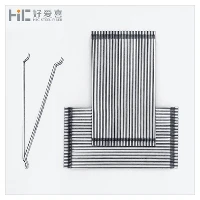
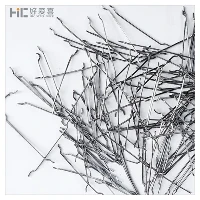
First off, what are glued steel fibres? Well, they're basically steel fibres that are bundled together with a special adhesive. This bundling makes them easier to handle and disperse evenly in the concrete. We offer a range of different types of glued steel fibres, like the Good Ductility Glued Steel Fiber, Low Carbon Glued Steel Fibre, and Glued Type Steel Fiber. Each type has its own unique properties and is suitable for different applications.
Now, let's talk about why the mixing time is so important. When you mix glued steel fibres with concrete, you want to make sure that the fibres are fully dispersed and evenly distributed throughout the mix. If the mixing time is too short, the fibres may not separate properly, and you'll end up with clumps in the concrete. These clumps can weaken the concrete and reduce its overall performance. On the other hand, if the mixing time is too long, the fibres may get damaged, which can also affect the strength and durability of the concrete.
So, what's the optimal mixing time? Well, it depends on a few factors, such as the type of concrete mixer you're using, the size and shape of the fibres, and the amount of fibres you're adding to the mix. In general, it's recommended to mix the glued steel fibres with the concrete for at least 3 to 5 minutes. This should give the fibres enough time to separate and disperse evenly in the mix.
However, it's important to note that this is just a general guideline. You may need to adjust the mixing time based on your specific situation. For example, if you're using a high-speed mixer, you may be able to mix the fibres in a shorter amount of time. On the other hand, if you're using a large batch of concrete or a high volume of fibres, you may need to mix for a longer period of time.
Another thing to keep in mind is that the mixing process should be done in stages. First, you should add the dry ingredients (such as cement, sand, and gravel) to the mixer and mix them together for a few minutes. Then, you can add the water and continue mixing for a few more minutes until the concrete reaches the desired consistency. Finally, you can add the glued steel fibres and mix them in for the recommended amount of time.
It's also a good idea to check the mix periodically to make sure that the fibres are fully dispersed. You can do this by taking a sample of the concrete and looking for any signs of clumping or uneven distribution. If you notice any problems, you may need to adjust the mixing time or the amount of fibres you're adding to the mix.
In addition to the mixing time, there are a few other factors that can affect the performance of the concrete with glued steel fibres. For example, the type and quality of the cement, the water-to-cement ratio, and the curing conditions can all have an impact on the strength and durability of the concrete. So, it's important to make sure that you're using high-quality materials and following the recommended mixing and curing procedures.
To sum it up, the optimal mixing time for concrete with glued steel fibres is an important factor that can significantly impact the performance of the concrete. By following the recommended guidelines and adjusting the mixing time based on your specific situation, you can ensure that the fibres are fully dispersed and evenly distributed throughout the mix, which will help to improve the strength, durability, and overall performance of the concrete.
If you're interested in learning more about our glued steel fibres or have any questions about the mixing process, please don't hesitate to contact us. We're here to help you find the right solution for your project and ensure that you get the best results possible. Let's work together to create high-quality concrete that meets your needs and exceeds your expectations!
References


- ACI 544.1R-96, “Report on Fiber Reinforced Concrete,” American Concrete Institute, Farmington Hills, MI, 1996.
- Neville, A. M., “Properties of Concrete,” 4th ed., Pearson Education, Inc., Upper Saddle River, NJ, 1996.
- Zollo, R. F., “Fiber Reinforced Concrete: Design and Applications,” 2nd ed., American Concrete Institute, Farmington Hills, MI, 1997.