

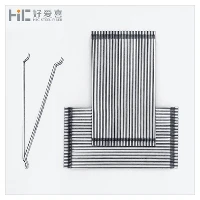
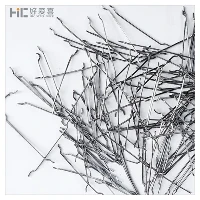
Hey there! As a supplier of FRC (Fiber Reinforced Concrete) steel fibres for concrete, I've seen firsthand the amazing benefits these little wonders bring to the table. So, let's dive right in and explore what makes using FRC steel fibres in concrete such a great idea.
Enhanced Durability
One of the most significant benefits of using FRC steel fibres in concrete is the boost in durability. Concrete is a fantastic building material, but it has its limitations. It can crack under stress, whether it's from heavy loads, temperature changes, or shrinkage during the curing process. That's where FRC steel fibres come in.
These steel fibres are like tiny reinforcements that are evenly distributed throughout the concrete. When the concrete is under stress, the fibres act as a sort of internal support system. They help to hold the concrete together, preventing cracks from forming and spreading. This means that structures made with FRC steel fibre - reinforced concrete can last much longer than those made with traditional concrete.
For example, in a parking lot where cars are constantly driving and parking, the concrete is subjected to a lot of wear and tear. Using FRC steel fibres can reduce the likelihood of cracks forming on the surface, which not only makes the parking lot look better but also reduces the need for costly repairs over time.
Improved Flexural Strength
Flexural strength is the ability of a material to resist bending. In the case of concrete, having good flexural strength is crucial, especially in applications where the concrete will be subjected to bending forces, like in beams or slabs.
FRC steel fibres significantly improve the flexural strength of concrete. When a load is applied to the concrete, the fibres help to transfer the stress more evenly across the material. This means that the concrete can withstand greater bending forces without breaking.
Imagine a bridge made of FRC steel fibre - reinforced concrete. The bridge has to support the weight of vehicles, pedestrians, and its own structure. The improved flexural strength provided by the steel fibres allows the bridge to handle these loads more effectively, making it safer and more reliable.
Better Impact Resistance
Another great benefit of FRC steel fibres is their ability to enhance the impact resistance of concrete. In areas where the concrete may be hit by heavy objects, such as in industrial floors or in areas prone to seismic activity, impact resistance is essential.
The steel fibres in the concrete absorb the energy from an impact, preventing it from causing extensive damage. Instead of shattering or cracking into large pieces, the concrete with FRC steel fibres may only develop small cracks or dents. This can save a lot of money in terms of repairs and replacements.
For instance, in a factory where heavy machinery is constantly being moved around, the floor is at risk of being damaged by dropped tools or equipment. Using FRC steel fibre - reinforced concrete for the floor can minimize the damage caused by these impacts, ensuring that the floor remains in good condition for a longer period.


Reduced Shrinkage Cracking
Shrinkage cracking is a common problem in concrete. As concrete dries and cures, it shrinks, and this shrinkage can cause cracks to form on the surface. These cracks not only look bad but can also allow water and other harmful substances to penetrate the concrete, leading to further damage.
FRC steel fibres help to reduce shrinkage cracking. The fibres act as a restraint, preventing the concrete from shrinking too much and cracking. They hold the concrete together as it dries, ensuring that the surface remains smooth and crack - free.
In a residential driveway, for example, shrinkage cracking can make the driveway look unappealing and may also lead to water seeping under the concrete, causing it to settle unevenly. By using FRC steel fibres in the concrete for the driveway, you can avoid these problems and have a beautiful, long - lasting driveway.
Cost - Effectiveness
When you consider all the benefits mentioned above, it's clear that using FRC steel fibres in concrete can be cost - effective in the long run. While the initial cost of adding FRC steel fibres to the concrete may be slightly higher than using traditional concrete, the savings in terms of reduced repairs, longer service life, and lower maintenance costs can more than make up for it.
For large - scale construction projects, such as building a commercial complex or a highway, the cost savings over the life of the structure can be substantial. The reduced need for repairs and replacements means that less money has to be spent on labor and materials over time.
Types of FRC Steel Fibres
We offer a variety of FRC steel fibres to meet different needs. For example, our Good Ductility Glued Steel Fiber has excellent ductility, which means it can deform without breaking. This is great for applications where the concrete will be subjected to dynamic loads.
Our Reinforced Concrete Steel Fiber is specifically designed to provide high - strength reinforcement to concrete. It's ideal for structures that require a high level of strength and durability.
And our Low Carbon Glued Steel Fibre is a more environmentally friendly option. It has a lower carbon content, which is in line with the growing trend towards sustainable construction.
Conclusion
In conclusion, the benefits of using FRC steel fibres for concrete are numerous. From enhanced durability and improved flexural strength to better impact resistance and reduced shrinkage cracking, these fibres can make a significant difference in the performance and longevity of concrete structures.
If you're involved in a construction project, whether it's a small residential job or a large - scale commercial development, I highly recommend considering using FRC steel fibres in your concrete. They offer a cost - effective solution that can save you money in the long run and ensure that your structures are strong, reliable, and long - lasting.
If you're interested in learning more about our FRC steel fibres or would like to discuss your specific project requirements, feel free to reach out. We're here to help you find the best solution for your concrete needs and look forward to the opportunity to work with you on your next project.
References
- Neville, A. M. (1995). Properties of Concrete. Pearson Education.
- ACI Committee 544. (1982). State - of - the - Art Report on Fiber - Reinforced Concrete. American Concrete Institute.
- Mindess, S., Young, J. F., & Darwin, D. (2003). Concrete: Microstructure, Properties, and Materials. Prentice Hall.