



Mixing high strength steel fiber evenly in concrete is a crucial process that significantly enhances the performance and durability of concrete structures. As a reputable high strength steel fiber supplier, I understand the importance of this process and am here to share some valuable insights and practical tips on achieving uniform steel fiber distribution in concrete.
Understanding the Benefits of High Strength Steel Fiber in Concrete
Before delving into the mixing process, it's essential to understand why high strength steel fiber is added to concrete. Steel fibers act as reinforcement, improving the concrete's tensile strength, flexural strength, impact resistance, and crack resistance. These enhancements make concrete structures more durable and able to withstand harsh environmental conditions and heavy loads. For instance, in commercial and industrial floors, the addition of steel fibers can prevent cracking and extend the service life of the floor. You can learn more about Steel Fiber for Commercial and Industrial Floor.

Factors Affecting Steel Fiber Distribution
Several factors can influence the even distribution of steel fibers in concrete. These include the fiber type, fiber length and diameter, concrete mix design, mixing equipment, and mixing time.
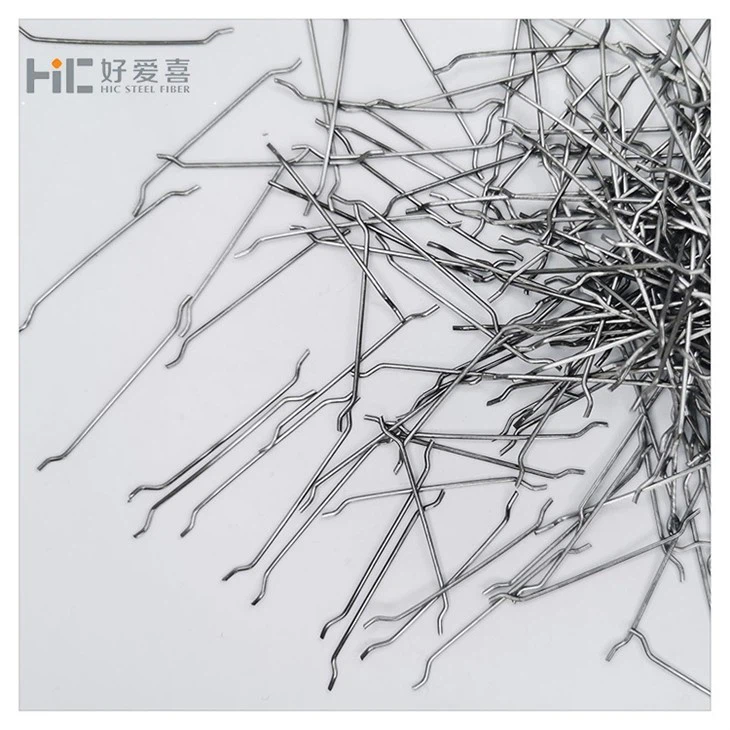
- Fiber Type: Different types of steel fibers, such as hooked end, straight, and crimped fibers, have varying degrees of dispersibility. Hooked end steel fibers are commonly used because their hooks help to anchor the fibers in the concrete matrix, improving the bond between the fibers and the concrete. For more information on hooked end steel fibers, check out Diameter Matching Hooked End Steel Fiber and Wear Resistant Hooked End Steel Fiber.
- Fiber Length and Diameter: Longer and thinner fibers tend to be more difficult to disperse evenly than shorter and thicker fibers. Therefore, it's important to choose the appropriate fiber length and diameter based on the specific application and concrete mix design.
- Concrete Mix Design: The proportion of cement, aggregates, water, and admixtures in the concrete mix can affect the workability and flowability of the concrete, which in turn influences the fiber distribution. A well-designed concrete mix with proper workability can help to ensure uniform fiber dispersion.
- Mixing Equipment: The type and capacity of the mixing equipment play a crucial role in achieving even fiber distribution. High - shear mixers are generally more effective in dispersing steel fibers than low - shear mixers. The mixer should also have sufficient capacity to handle the volume of concrete and fibers being mixed.
- Mixing Time: Insufficient mixing time can result in clumping of the steel fibers, while over - mixing can cause fiber breakage. Therefore, it's important to determine the optimal mixing time based on the type of mixer, fiber characteristics, and concrete mix design.
Steps for Evenly Mixing High Strength Steel Fiber in Concrete
The following steps can help you achieve uniform steel fiber distribution in concrete:
- Prepare the Materials: Ensure that all the materials, including cement, aggregates, water, admixtures, and steel fibers, are of high quality and meet the required specifications. Measure the materials accurately according to the concrete mix design.
- Pre - mix the Dry Ingredients: Start by adding the cement, aggregates, and any dry admixtures to the mixer. Mix these dry ingredients thoroughly for a few minutes to ensure a homogeneous blend. This pre - mixing step helps to break up any clumps in the aggregates and ensures that the cement is evenly distributed among the aggregates.
- Add the Steel Fibers: Slowly add the steel fibers to the mixer while the dry ingredients are still being mixed. It's important to add the fibers gradually to prevent clumping. If possible, use a fiber dosing system to ensure a consistent and uniform addition of the fibers.
- Add Water and Admixtures: After the steel fibers have been added, slowly add water and any liquid admixtures to the mixer. The water should be added gradually to allow for proper hydration of the cement and to maintain the workability of the concrete. Continue mixing the concrete for the specified mixing time.
- Monitor the Mixing Process: During the mixing process, visually inspect the concrete to ensure that the steel fibers are evenly distributed. If you notice any clumps of fibers, you may need to adjust the mixing time or the way the fibers are added.
- Check the Workability: After the mixing is complete, check the workability of the concrete. The concrete should have a consistent texture and flowability, indicating that the steel fibers are evenly distributed. If the workability is not satisfactory, you may need to adjust the water - cement ratio or the admixture dosage.
Troubleshooting Common Problems
Even with careful planning and execution, problems may still arise during the mixing process. Here are some common problems and their solutions:
- Fiber Clumping: If you notice clumps of steel fibers in the concrete, it may be due to insufficient mixing time, improper fiber addition, or poor fiber quality. To solve this problem, increase the mixing time, add the fibers more slowly, or use a different batch of fibers.
- Fiber Breakage: Over - mixing or using a mixer with excessive shear force can cause fiber breakage. To prevent fiber breakage, reduce the mixing time or use a mixer with a lower shear force.
- Uneven Fiber Distribution: Uneven fiber distribution can result from improper mix design, inadequate mixing, or incorrect fiber dosing. Review the concrete mix design, ensure proper mixing procedures are followed, and check the fiber dosing system to ensure accurate addition of the fibers.
Quality Control
Quality control is essential to ensure that the steel fibers are evenly distributed in the concrete and that the concrete meets the required performance standards. Here are some quality control measures:
- Visual Inspection: Conduct a visual inspection of the freshly mixed concrete to check for any signs of fiber clumping or uneven distribution.
- Sampling and Testing: Take samples of the concrete and test them for various properties, such as compressive strength, flexural strength, and fiber distribution. The fiber distribution can be determined by cutting a sample of the hardened concrete and visually inspecting the cross - section under a microscope.
- Documentation: Keep detailed records of the mixing process, including the materials used, mixing time, and test results. This documentation can help you identify any issues and make improvements in future projects.
Conclusion
Mixing high strength steel fiber evenly in concrete is a complex but essential process that requires careful consideration of various factors. By understanding the factors affecting fiber distribution, following the proper mixing steps, troubleshooting common problems, and implementing quality control measures, you can achieve uniform steel fiber distribution in concrete and enhance the performance and durability of your concrete structures.
As a high strength steel fiber supplier, I am committed to providing high - quality steel fibers and technical support to help you achieve the best results in your concrete projects. If you are interested in purchasing our high strength steel fibers or have any questions about the mixing process, please feel free to contact us for further discussion and procurement negotiations. We look forward to working with you on your next project.
References
- ACI Committee 544. (2016). State - of - the - Art Report on Fiber - Reinforced Concrete. American Concrete Institute.
- Naaman, A. E., & Reinhardt, H. W. (2003). Fibre - Reinforced Concrete: Design and Applications. E & FN Spon.
- Mindess, S., Young, J. F., & Darwin, D. (2003). Concrete. Prentice Hall.