



As a supplier of high-strength steel fiber, I've had the privilege of seeing firsthand how these remarkable materials can transform concrete structures. But here's the thing: it's not just about the initial pour. Evaluating the long-term performance of concrete with high-strength steel fiber is crucial to ensure that your projects stand the test of time. In this blog post, I'll share some insights on how to do just that.
Why High-Strength Steel Fiber Matters
Before we dive into evaluation methods, let's quickly touch on why high-strength steel fiber is such a game-changer for concrete. When added to concrete, steel fibers act as reinforcement, enhancing its mechanical properties. They improve tensile strength, flexural strength, and toughness, reducing the likelihood of cracking and increasing the durability of the concrete. This is especially important in applications where the concrete will be subjected to heavy loads, impact, or harsh environmental conditions.
Understanding the Basics of Long-Term Performance
Long-term performance of concrete with high-strength steel fiber refers to how well the concrete maintains its structural integrity and functionality over an extended period. This includes factors like resistance to cracking, abrasion, chemical attack, and freeze-thaw cycles. To evaluate long-term performance, we need to consider both the properties of the steel fiber itself and how it interacts with the concrete matrix.
Evaluating the Steel Fiber
Physical Properties
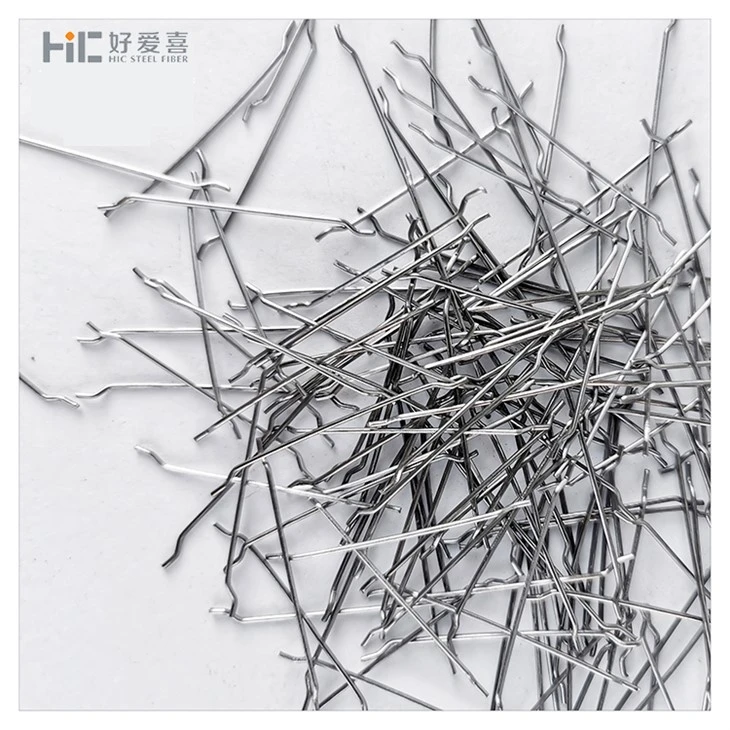
The first step in evaluating the long-term performance of concrete with high-strength steel fiber is to assess the physical properties of the fiber. This includes its length, diameter, aspect ratio (length to diameter ratio), and shape. For example, Hooked End Steel Fiber is a popular choice because the hooks at the ends of the fibers provide better anchorage within the concrete, improving its effectiveness as reinforcement. Loose Hooked End Steel Fiber offers flexibility in handling and mixing, while Hooked End Steel Fibers come in various sizes and specifications to suit different applications.

Tensile Strength
The tensile strength of the steel fiber is another critical factor. High-strength steel fibers are designed to withstand high levels of stress without breaking. A fiber with higher tensile strength will provide better reinforcement to the concrete, increasing its overall strength and durability. When selecting steel fibers, it's important to choose ones with a proven track record of high tensile strength.
Corrosion Resistance
Since the steel fiber will be embedded in the concrete for an extended period, corrosion resistance is essential. Corrosion can weaken the fibers and compromise the integrity of the concrete. Look for steel fibers that are coated or treated to resist corrosion, especially in environments where the concrete will be exposed to moisture, chemicals, or salt.
Evaluating the Concrete with Steel Fiber
Compressive Strength
Compressive strength is one of the most basic and important properties of concrete. It measures the ability of the concrete to withstand compressive forces. While steel fibers don't significantly increase the compressive strength of concrete, they can help distribute the load more evenly, reducing the risk of cracking under compression. Regular testing of the compressive strength of the concrete with steel fiber over time can give you an indication of its long-term performance.
Flexural Strength
Flexural strength is the ability of the concrete to resist bending. Steel fibers can significantly improve the flexural strength of concrete, making it more resistant to cracking when subjected to bending forces. This is particularly important in applications like pavements, slabs, and beams. Measuring the flexural strength of the concrete at regular intervals can help you evaluate how well the steel fiber is performing over time.
Cracking Resistance
Cracking is one of the most common problems in concrete structures. Steel fibers can help control cracking by bridging the cracks and preventing them from spreading. To evaluate the cracking resistance of concrete with steel fiber, you can use techniques like visual inspection, crack width measurement, and acoustic emission monitoring. These methods can help you detect cracks early and assess the effectiveness of the steel fiber in preventing further cracking.
Abrasion Resistance
In applications where the concrete will be subjected to wear and tear, such as industrial floors and pavements, abrasion resistance is crucial. Steel fibers can improve the abrasion resistance of concrete by providing additional reinforcement and reducing the loss of surface material. You can evaluate the abrasion resistance of the concrete with steel fiber by conducting abrasion tests using standardized methods.
Chemical Resistance
Concrete can be exposed to various chemicals, such as acids, alkalis, and salts, which can cause damage over time. Steel fibers can help improve the chemical resistance of concrete by providing a barrier against chemical penetration. To evaluate the chemical resistance of the concrete with steel fiber, you can conduct chemical immersion tests or expose the concrete to simulated chemical environments.
Long-Term Monitoring
In-Situ Monitoring
In-situ monitoring involves installing sensors in the concrete structure to continuously measure its properties over time. This can include sensors for measuring temperature, humidity, strain, and stress. By analyzing the data collected from these sensors, you can detect any changes in the concrete's properties and identify potential problems before they become serious.
Non-Destructive Testing
Non-destructive testing (NDT) methods can be used to evaluate the internal structure and properties of the concrete without causing damage. Common NDT methods include ultrasonic testing, ground-penetrating radar, and infrared thermography. These methods can help you detect hidden defects, such as voids, cracks, and delamination, and assess the overall condition of the concrete with steel fiber.
Conclusion
Evaluating the long-term performance of concrete with high-strength steel fiber is a complex but essential process. By considering the properties of the steel fiber, the concrete itself, and using appropriate testing and monitoring methods, you can ensure that your concrete structures will maintain their integrity and functionality over an extended period.
If you're interested in learning more about high-strength steel fiber or are looking to purchase our products for your next project, I'd love to hear from you. Feel free to reach out to discuss your specific needs and how our steel fibers can help you achieve long-lasting and reliable concrete structures.
References
- Neville, A. M. (2011). Properties of Concrete. Pearson Education.
- ACI Committee 544. (1996). State-of-the-Art Report on Fiber-Reinforced Concrete. American Concrete Institute.
- Ramakrishnan, V., & Kaushik, S. K. (2002). High-Performance Fiber-Reinforced Concrete. CRC Press.