


Hey there! As a supplier of Copper Micro Steel Fiber, I've been getting a lot of questions lately about how to evaluate the dispersion of these fibers in concrete. It's a crucial aspect because proper dispersion can significantly enhance the performance of concrete, like its durability, crack resistance, and overall strength. So, I'm gonna share some insights on this topic today.
Introduction to Copper Micro Steel Fiber
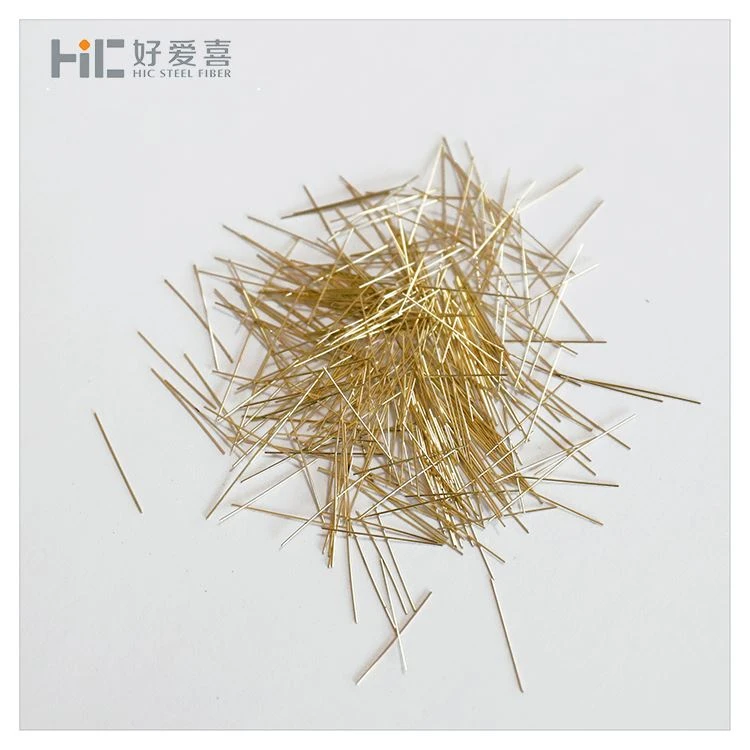
First off, let me give you a quick rundown on Copper Micro Steel Fiber. These fibers are basically steel fibers coated with a thin layer of copper. The copper coating isn't just for show; it offers better corrosion resistance compared to regular steel fibers. You can find more details about them on our Copper Micro Steel Fiber page.
The use of these fibers in concrete has been on the rise because they can improve the mechanical properties of concrete structures. Whether it's for industrial floors, precast elements, or even some high - performance concrete applications like the Rpc Micro Steel Fiber in reactive powder concrete, the key is to ensure they are well - dispersed.

Why Good Dispersion Matters
So, why is dispersion so important? Well, if the fibers aren't dispersed evenly, you can end up with weak spots in the concrete. Unevenly distributed fibers won't be able to provide the intended reinforcement in some areas, which can lead to cracking and premature failure of the concrete structure. On the other hand, when the fibers are uniformly dispersed, they can effectively bridge cracks and transfer stresses, making the concrete stronger and more durable.
Methods to Evaluate Dispersion
Visual Inspection
One of the simplest ways to evaluate dispersion is through visual inspection. After the concrete is freshly mixed, you can take a look at a sample. If you see large clumps of fibers, it's a clear sign that the dispersion isn't good. You want to see individual fibers well - distributed throughout the concrete matrix. This method is quick and easy, but it's also a bit subjective. Different people might have different opinions on what "good dispersion" looks like.
Image Analysis
A more advanced method is image analysis. Take a sample of the hardened concrete and cut it into sections. Then, use a high - resolution camera to take pictures of the cross - sections. With the help of specialized software, you can analyze the images to calculate parameters like the fiber density, distribution, and orientation. This method provides more objective data compared to visual inspection. It can accurately measure how evenly the fibers are spread and whether there are any areas with a higher or lower concentration of fibers.
Electrical Conductivity
Copper is a good conductor of electricity. So, the electrical conductivity of the concrete can be related to the dispersion of Copper Micro Steel Fiber. When the fibers are well - dispersed, they create a more continuous conductive path within the concrete. By measuring the electrical conductivity of the concrete, you can get an idea of the fiber dispersion. However, this method can be affected by other factors like the moisture content of the concrete and the type of cement used.
Factors Affecting Dispersion
Mixing Process
The mixing process plays a huge role in the dispersion of Copper Micro Steel Fiber. If you add the fibers too quickly or without proper mixing, they are likely to clump together. You should add the fibers gradually while the mixer is running at a moderate speed. Make sure to mix the concrete for an adequate amount of time to allow the fibers to distribute evenly.
Fiber Properties
The properties of the Copper Micro Steel Fiber itself also matter. Things like the fiber length, diameter, and aspect ratio can affect dispersion. Longer fibers are more prone to clumping compared to shorter ones. Similarly, fibers with a high aspect ratio (length to diameter ratio) can be more difficult to disperse.
Concrete Composition
The composition of the concrete can impact fiber dispersion as well. The amount of cement, water, and aggregates in the mix can influence the workability of the concrete. If the concrete is too thick or too thin, it can affect how well the fibers spread. For example, a very dry mix might not allow the fibers to move freely, resulting in poor dispersion.
Tips for Improving Dispersion
Use a Suitable Mixer
Choose a mixer that is suitable for mixing concrete with fibers. A high - shear mixer can provide better dispersion compared to a low - shear one. It can break up any clumps of fibers and ensure they are evenly distributed in the concrete.
Pre - Treat the Fibers
Sometimes, pre - treating the fibers can help with dispersion. You can use additives or special coatings on the fibers to prevent them from sticking together. This can make it easier for the fibers to disperse in the concrete during the mixing process.
Conclusion
Evaluating the dispersion of Copper Micro Steel Fiber in concrete is essential for achieving high - quality concrete structures. By using methods like visual inspection, image analysis, and electrical conductivity, you can get a good understanding of how well the fibers are dispersed. And by considering factors like the mixing process, fiber properties, and concrete composition, you can take steps to improve dispersion.
If you're interested in our Copper Micro Steel Fiber products or have any questions about using them in your concrete projects, feel free to reach out. We're always happy to have a chat and help you find the best solutions for your needs. Let's work together to make your concrete structures stronger and more durable!
References
- Neville, A. M. (1995). Properties of Concrete. Pearson Education.
- ACI Committee 544. (1982). State - of - the - Art Report on Fiber Reinforced Concrete. American Concrete Institute.