



As a seasoned supplier of Loose Hooked End Steel Fiber, I've witnessed firsthand the pivotal role that the type of steel used plays in determining the fiber's performance. In this blog, I'll delve into the intricate relationship between the steel type and the performance of Loose Hooked End Steel Fiber, shedding light on how different steel compositions can significantly impact its functionality and suitability for various applications.
Understanding Loose Hooked End Steel Fiber
Loose Hooked End Steel Fiber is a popular reinforcement material widely used in concrete structures to enhance their mechanical properties. The hooked ends of these fibers provide a strong bond with the concrete matrix, effectively distributing stress and preventing crack propagation. This results in improved toughness, ductility, and resistance to impact and fatigue, making it an ideal choice for a wide range of construction projects, including industrial floors, pavements, tunnels, and precast elements.
The Influence of Steel Type on Performance
The performance of Loose Hooked End Steel Fiber is heavily influenced by the type of steel used in its production. Different steel compositions possess unique properties that can significantly affect the fiber's strength, durability, and chemical resistance. Here are some of the key steel types commonly used in the manufacturing of Loose Hooked End Steel Fiber and their impact on performance:
Low Carbon Steel Fiber
Low carbon steel is one of the most commonly used materials for manufacturing Loose Hooked End Steel Fiber. It is characterized by its relatively low carbon content, typically ranging from 0.05% to 0.3%. Low carbon steel fibers offer several advantages, including good ductility, high tensile strength, and excellent weldability. These properties make them well-suited for applications where flexibility and ease of installation are important.
The low carbon content in these fibers also contributes to their corrosion resistance, although they may still require additional protection in harsh environments. Low carbon steel fibers are commonly used in general construction applications, such as residential and commercial buildings, where they provide reliable reinforcement at a relatively low cost. Low Carbon Steel Fiber
High Carbon Steel Fiber
High carbon steel fibers contain a higher carbon content, typically ranging from 0.6% to 1.5%. This increased carbon content results in a higher strength and hardness compared to low carbon steel fibers. High carbon steel fibers offer superior abrasion resistance and are well-suited for applications where wear and tear are a concern, such as industrial floors and pavements.

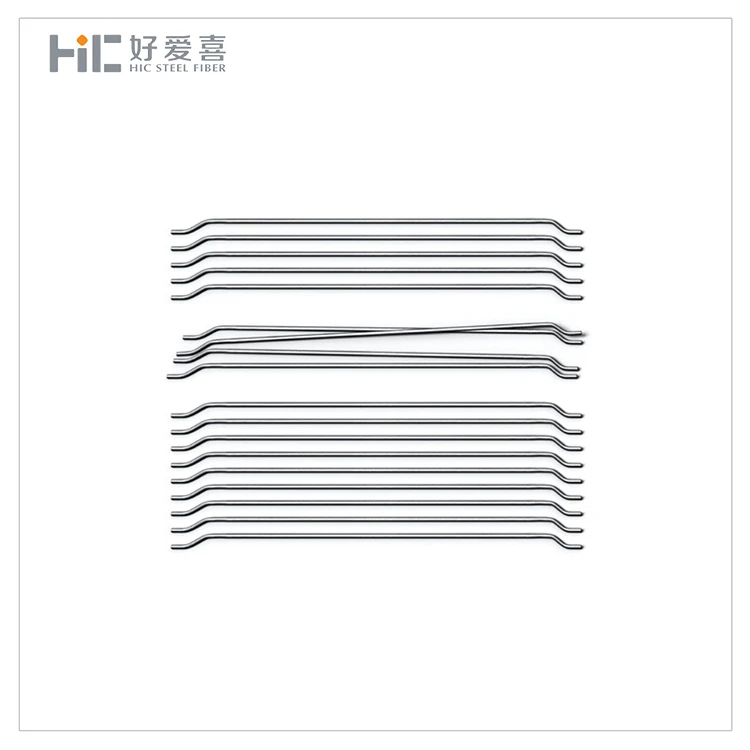
However, the higher carbon content also makes these fibers more brittle, which can reduce their ductility and increase the risk of breakage during handling and installation. High carbon steel fibers may require special handling and installation techniques to ensure their proper performance. They are commonly used in high-stress applications where maximum strength and durability are required.
Stainless Steel Fiber
Stainless steel fibers are made from a corrosion-resistant alloy that contains chromium, nickel, and other elements. These fibers offer excellent resistance to corrosion, oxidation, and chemical attack, making them ideal for use in harsh environments, such as marine structures, wastewater treatment plants, and chemical processing facilities.
Stainless steel fibers also have a high tensile strength and good ductility, which allows them to effectively reinforce concrete structures. However, they are more expensive than other types of steel fibers, which may limit their use in some applications. High Density Hooked End Steel Fiber
Factors Affecting Performance
In addition to the type of steel used, several other factors can affect the performance of Loose Hooked End Steel Fiber. These include:
Fiber Geometry
The shape and size of the fiber can significantly impact its performance. Hooked ends provide a stronger bond with the concrete matrix, while the length and diameter of the fiber can affect its dispersion and distribution within the concrete. Longer fibers generally offer better reinforcement, but they may also be more difficult to disperse evenly.
Fiber Content
The amount of fiber added to the concrete mix can also affect its performance. Higher fiber content generally results in improved mechanical properties, but it can also increase the cost and difficulty of mixing and placing the concrete. The optimal fiber content depends on the specific application and the desired performance characteristics.
Concrete Mix Design
The composition of the concrete mix, including the type and amount of cement, aggregates, and admixtures, can also affect the performance of the steel fibers. A well-designed concrete mix that provides good workability and strength is essential for ensuring the proper performance of the fibers.
Applications and Performance Requirements
The performance requirements of Loose Hooked End Steel Fiber vary depending on the specific application. Here are some of the common applications and the corresponding performance requirements:
Industrial Floors
Industrial floors are subjected to heavy traffic, abrasion, and impact loads. They require steel fibers that offer high strength, toughness, and abrasion resistance. High carbon steel fibers or stainless steel fibers are often used in industrial floors to provide long-lasting reinforcement.
Pavements
Pavements are exposed to environmental factors, such as moisture, freeze-thaw cycles, and chemical attack. They require steel fibers that offer good corrosion resistance and durability. Stainless steel fibers or low carbon steel fibers with appropriate corrosion protection are commonly used in pavements.
Tunnels
Tunnels are subjected to high stress and pressure, as well as potential fire hazards. They require steel fibers that offer high strength, ductility, and fire resistance. High carbon steel fibers or stainless steel fibers are often used in tunnels to provide reliable reinforcement.
Precast Elements
Precast elements, such as beams, columns, and panels, require steel fibers that offer good workability and ease of installation. Low carbon steel fibers are commonly used in precast elements due to their ductility and weldability. Hooked End Steel Fibers
Conclusion
The type of steel used in Loose Hooked End Steel Fiber plays a crucial role in determining its performance. Different steel compositions offer unique properties that can significantly impact the fiber's strength, durability, and chemical resistance. By understanding the relationship between the steel type and the performance requirements of the specific application, you can choose the most suitable steel fiber for your project.
As a supplier of Loose Hooked End Steel Fiber, I am committed to providing high-quality products that meet the diverse needs of our customers. Whether you are working on an industrial floor, a pavement, a tunnel, or a precast element, I can help you select the right steel fiber for your project. If you have any questions or would like to discuss your specific requirements, please don't hesitate to contact me. I look forward to working with you to achieve your construction goals.
References
- Neville, A. M. (1995). Properties of Concrete. Pearson Education.
- ACI Committee 544. (1996). State-of-the-Art Report on Fiber-Reinforced Concrete. American Concrete Institute.
- Ramakrishnan, V., & Brandt, A. M. (2006). Fibre-Reinforced Cement Composites. Taylor & Francis.