


Hey there! As a supplier of Concrete Floor Steel Fiber, I've been getting a lot of questions lately about how steel fiber affects the chemical resistance of concrete floors. So, I thought I'd write this blog to share some insights on this topic.
First off, let's talk about what steel fiber is and why it's used in concrete floors. Steel fiber is basically small, thin pieces of steel that are added to concrete to enhance its properties. When we mix these fibers into the concrete, they act like tiny reinforcements, helping to hold the concrete together and prevent cracks from forming.
Now, let's dive into how steel fiber impacts the chemical resistance of concrete floors. Chemical resistance is super important for concrete floors, especially in environments where they're exposed to various chemicals, like in industrial settings, warehouses, or even some commercial kitchens.
1. Protection Against Corrosion
One of the key ways steel fiber affects chemical resistance is by providing protection against corrosion. In a concrete floor, the steel fibers can act as a barrier. When the concrete is exposed to corrosive chemicals, the steel fibers can help slow down the process of corrosion.
For example, in an industrial plant where there might be spills of acidic or alkaline substances, the steel fibers can prevent these chemicals from penetrating deep into the concrete. The fibers create a network within the concrete, which makes it more difficult for the corrosive agents to reach the steel reinforcement bars (if there are any) and cause rusting. This is a big deal because once the steel bars start to rust, it can lead to the expansion of the steel, which in turn causes the concrete to crack and deteriorate.
2. Improving the Durability of the Concrete Matrix
Steel fiber also improves the overall durability of the concrete matrix, which is directly related to its chemical resistance. When we add steel fibers to the concrete, it becomes more resistant to cracking. Cracks in concrete are like open doors for chemicals to enter. Once a crack forms, chemicals can seep in and start to break down the concrete from the inside.
By reducing the likelihood of cracking, steel fiber helps to keep the concrete structure intact. This means that the concrete can better withstand the chemical attacks. For instance, in a chemical storage area, a concrete floor with steel fibers is less likely to develop cracks due to the weight of the stored chemicals or the vibrations from machinery. This intact structure can then resist the chemical reactions that would otherwise damage the concrete.
3. Types of Steel Fiber and Their Impact
There are different types of steel fiber that can be used in concrete floors, and each type can have a different impact on chemical resistance.
-
SFRC Steel Fiber: SFRC Steel Fiber is a popular choice. It has a unique shape and distribution within the concrete. This type of fiber can enhance the bond between the fibers and the concrete matrix, which further improves the chemical resistance. The fibers are evenly dispersed, which means that they can provide consistent protection throughout the concrete floor.
-
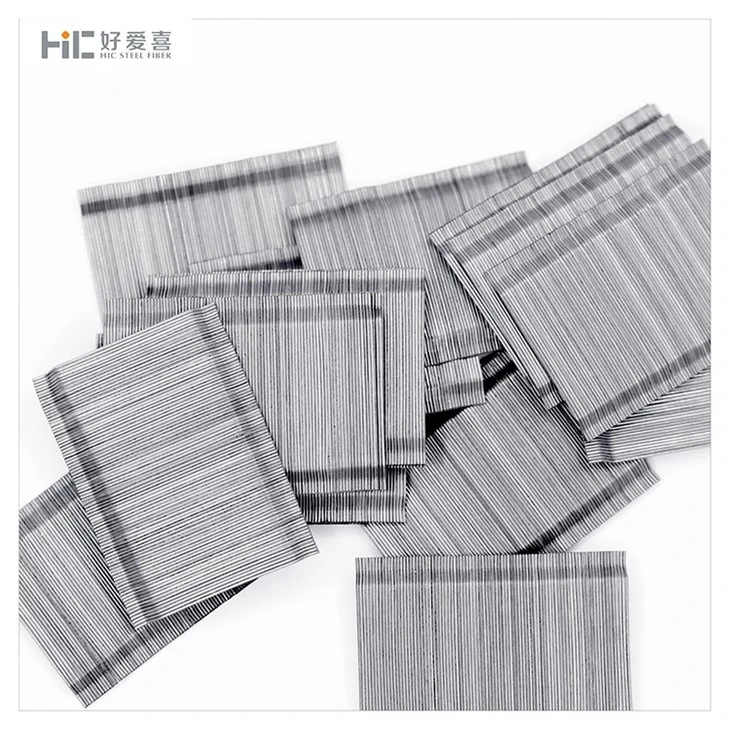
Glued Type Steel Fiber: Glued Type Steel Fiber is another option. The glue helps to keep the fibers together during the mixing process, ensuring a more uniform distribution in the concrete. This type of fiber can also contribute to better chemical resistance by providing a more stable and reinforced structure.
-
High Length Glued Type Steel Fiber: High Length Glued Type Steel Fiber has a longer length compared to other types. The longer fibers can span larger distances within the concrete, creating a stronger network. This can be particularly beneficial in areas where the concrete is exposed to high levels of stress and chemical attacks.
4. Case Studies
Let's look at a couple of real - world examples to see how steel fiber has improved the chemical resistance of concrete floors.
In a chemical manufacturing plant, they had a problem with their concrete floors deteriorating due to the constant exposure to various chemicals. After installing a concrete floor with steel fibers, they noticed a significant improvement. The floor was able to withstand the chemical spills without developing major cracks or signs of corrosion. This not only saved them money on repairs but also increased the lifespan of the floor.
Another case is a food processing facility. The floors in this facility are exposed to cleaning agents, oils, and other substances. By using steel fiber in the concrete floors, they were able to prevent the floors from being damaged by these chemicals. The steel fibers provided the necessary reinforcement to keep the concrete intact, even after repeated cleanings and chemical exposures.
5. Factors Affecting the Effectiveness of Steel Fiber
While steel fiber can greatly improve the chemical resistance of concrete floors, there are some factors that can affect its effectiveness.
-
Fiber Content: The amount of steel fiber added to the concrete is crucial. If there's too little fiber, it might not provide enough reinforcement. On the other hand, if there's too much fiber, it can lead to issues with mixing and workability of the concrete. So, finding the right fiber content is essential for optimal chemical resistance.
-
Fiber Distribution: How the fibers are distributed within the concrete also matters. A uniform distribution ensures that the entire concrete floor has consistent protection. If the fibers are clumped together in some areas and sparse in others, the chemical resistance will be uneven.
-
Concrete Mix Design: The overall design of the concrete mix, including the type of cement, aggregates, and water - cement ratio, can also impact the effectiveness of the steel fiber. A well - designed concrete mix will work better with the steel fibers to enhance chemical resistance.
6. Conclusion and Call to Action
In conclusion, steel fiber plays a vital role in improving the chemical resistance of concrete floors. It provides protection against corrosion, enhances the durability of the concrete matrix, and can be tailored to different needs through various types of steel fiber.
If you're in the market for a concrete floor that can withstand chemical attacks, I'd highly recommend considering the use of steel fiber. As a supplier of Concrete Floor Steel Fiber, I'm here to help you choose the right type of fiber for your project. Whether you need SFRC Steel Fiber, Glued Type Steel Fiber, or High Length Glued Type Steel Fiber, I've got you covered.

If you have any questions or want to discuss your specific requirements, feel free to reach out. Let's work together to create a concrete floor that's not only strong but also highly resistant to chemicals.
References
- Neville, A. M. (2011). Properties of Concrete. Pearson Education.
- ACI Committee 544. (2007). State - of - the - Art Report on Fiber - Reinforced Concrete. American Concrete Institute.