



Hey there! I'm a supplier of FRC steel fibres for concrete, and today I want to chat about how these little guys can have a big impact on the bond between concrete layers.
Let's start by getting a bit of a background. Concrete is a widely used construction material, but it has its limitations. One of the key issues is the bond between different concrete layers. This bond is crucial because it affects the overall strength, durability, and performance of the concrete structure. That's where FRC steel fibres come into play.

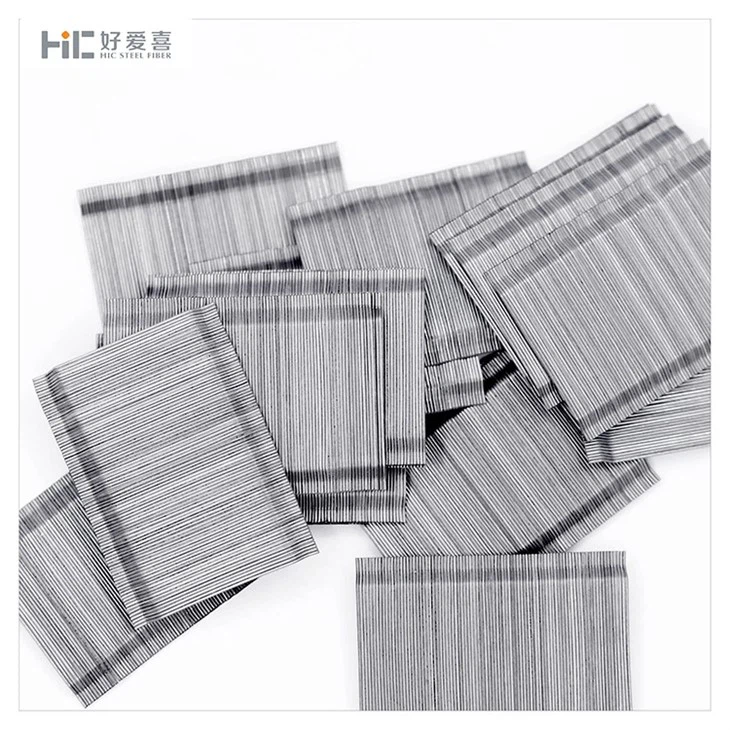
What are FRC Steel Fibres?
FRC stands for Fiber - Reinforced Concrete, and steel fibres are one of the most popular types of fibres used in this application. These steel fibres come in different shapes and sizes, like the Reinforced Concrete Steel Fiber, End Hook Glued Steel Fiber, and High Tensile Strength Glued Steel Fiber.
They're typically made from high - strength steel and are added to the concrete mix. Once added, they distribute randomly throughout the concrete, creating a three - dimensional reinforcement network. This network helps to improve the mechanical properties of the concrete, including its tensile strength, toughness, and crack resistance.
How FRC Steel Fibres Influence the Bond between Concrete Layers
1. Improving Tensile Strength
One of the main ways FRC steel fibres affect the bond between concrete layers is by enhancing the tensile strength of the concrete. Traditional concrete is strong in compression but weak in tension. When you have multiple concrete layers, there are often tensile stresses at the interface between the layers. These stresses can cause cracks to form and propagate, weakening the bond.
Steel fibres help to resist these tensile stresses. When a crack starts to form at the interface of the concrete layers, the steel fibres bridge the crack. They transfer the stress across the crack, preventing it from opening up further. This means that the bond between the layers can better withstand the tensile forces acting on it, reducing the likelihood of delamination or separation of the layers.
2. Enhancing Crack Resistance
Cracks are the enemy of a good bond between concrete layers. Even small cracks can allow water, chemicals, and other harmful substances to penetrate the concrete, leading to corrosion of the reinforcement and further deterioration of the bond.
FRC steel fibres act as a crack arrester. They prevent the growth of micro - cracks into larger, more damaging cracks. When a crack tries to grow, the steel fibres in the concrete hold the crack faces together. This not only helps to maintain the integrity of the individual concrete layers but also keeps the bond between the layers intact.
3. Increasing Toughness
Toughness is the ability of a material to absorb energy before failure. In the context of the bond between concrete layers, a tougher concrete is better able to withstand dynamic loads, such as impact or vibration.
Steel fibres increase the toughness of the concrete. When a load is applied to the concrete structure, the steel fibres deform and absorb energy. This energy absorption helps to protect the bond between the concrete layers. For example, in a bridge deck where there are constant traffic loads, the FRC with steel fibres can better handle the repeated impacts and vibrations, keeping the bond between the different layers of concrete strong.
4. Improving Inter - layer Friction
The presence of steel fibres in the concrete can also increase the inter - layer friction between the concrete layers. When the steel fibres are randomly distributed in the concrete, they create a rough surface at the interface of the layers. This roughness increases the frictional resistance between the layers, making it more difficult for them to slide or separate from each other.
Real - World Applications
Let's take a look at some real - world examples where the influence of FRC steel fibres on the bond between concrete layers is evident.
1. Industrial Floors
In industrial buildings, the floors are often subjected to heavy loads from forklifts, pallet jacks, and other equipment. These floors are usually made up of multiple concrete layers. By using FRC with steel fibres, the bond between the layers can be strengthened. The steel fibres help to resist the cracking caused by the dynamic loads, and the increased inter - layer friction ensures that the layers stay together, even under heavy traffic.
2. Bridge Decks
Bridge decks are exposed to harsh environmental conditions and heavy traffic loads. The bond between the different concrete layers in a bridge deck is critical for its long - term performance. FRC with steel fibres can improve the bond by enhancing the tensile strength, crack resistance, and toughness of the concrete. This helps to prevent the formation of cracks and delamination, which can lead to costly repairs and safety issues.
3. Tunnel Linings
In tunnel construction, the concrete lining is often made up of multiple layers. The bond between these layers is essential to prevent water leakage and maintain the structural integrity of the tunnel. FRC steel fibres can be used to improve the bond by providing reinforcement and increasing the crack resistance of the concrete. This ensures that the tunnel lining remains watertight and stable over time.
Factors Affecting the Influence of FRC Steel Fibres
The effectiveness of FRC steel fibres in influencing the bond between concrete layers depends on several factors.
1. Fibre Properties
The properties of the steel fibres, such as their length, diameter, shape, and tensile strength, play a significant role. Longer and thinner fibres generally provide better reinforcement because they can bridge larger cracks. Fibres with end - hooks, like the End Hook Glued Steel Fiber, have better anchorage in the concrete, which improves their ability to resist crack growth.
2. Fibre Content
The amount of steel fibres added to the concrete mix also matters. Too few fibres may not have a significant impact on the bond between the layers, while too many fibres can make the concrete difficult to work with and may even lead to a decrease in the bond strength. It's important to find the right balance of fibre content for the specific application.
3. Concrete Mix Design
The composition of the concrete mix, including the water - cement ratio, aggregate type and size, and admixtures, can affect the performance of the FRC with steel fibres. A well - designed concrete mix that is compatible with the steel fibres will maximize the benefits of the fibres in improving the bond between the concrete layers.
Conclusion
In conclusion, FRC steel fibres have a significant influence on the bond between concrete layers. They improve the tensile strength, crack resistance, toughness, and inter - layer friction of the concrete, all of which contribute to a stronger and more durable bond.
Whether you're working on an industrial floor, a bridge deck, or a tunnel lining, using FRC with steel fibres can help you achieve a better - performing concrete structure.
If you're interested in learning more about our FRC steel fibres or are looking to place an order for your next project, I'd love to chat. We have a wide range of high - quality steel fibres that can meet your specific needs. Just reach out to us, and we can start discussing how our products can enhance the bond between your concrete layers and improve the overall performance of your concrete structures.
References
- ACI 544.1R - 96, “Report on the Design and Construction of Structural Concrete Reinforced with Fibers,” American Concrete Institute.
- Balaguru, P., & Shah, S. P. (Eds.). (1992). Fiber - reinforced cement composites. McGraw - Hill.
- Naaman, A. E., & Reinhardt, H. W. (Eds.). (2003). Fibre - reinforced concrete: design and applications. Taylor & Francis.