



Hey there! As a supplier of CE Steel Fibers for Concrete, I've had my fair share of discussions with contractors, engineers, and DIY enthusiasts about how these steel fibers impact concrete slump. So, let's dive right in and break it down.
First off, what's concrete slump? Well, it's a measure of the consistency or workability of fresh concrete. Think of it like this: when you pour batter for a cake, you want it to be just the right thickness - not too thick that it won't spread out, and not too thin that it runs all over the place. Similarly, concrete slump tells us how easily the concrete can be poured, placed, and compacted. A higher slump means the concrete is more fluid and easier to work with, while a lower slump indicates a stiffer mix.
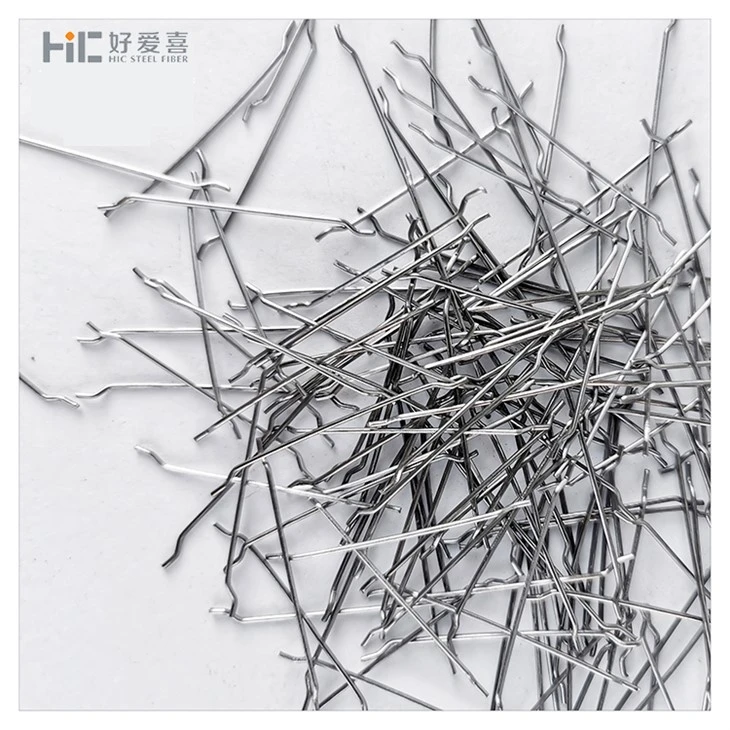
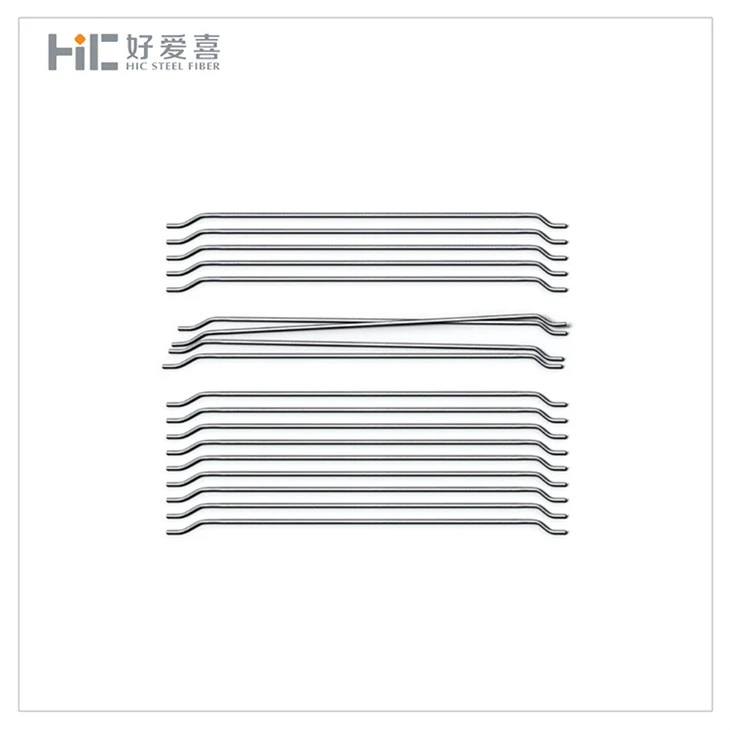
Now, let's talk about CE steel fibers. CE stands for Conformité Européene, which means these steel fibers meet the European standards for quality and performance. They come in different shapes, sizes, and types, but one of the most popular ones is the Hooked End Steel Fiber. These fibers have little hooks at the ends, which help them bond better with the concrete matrix.
So, how do these CE steel fibers affect the slump of concrete? Well, the short answer is that they generally tend to reduce it. When you add steel fibers to concrete, they act like little reinforcements, interlocking with each other and with the aggregate particles. This creates a more rigid structure within the concrete, making it less fluid and more resistant to deformation.
Let's look at the science behind it. When you mix steel fibers into concrete, they increase the internal friction between the particles. This is because the fibers create additional contact points and resistance to movement. As a result, the concrete becomes stiffer, and its slump decreases.
But here's the thing - it's not always a bad thing. In some cases, a lower slump can actually be beneficial. For example, if you're working on a project where you need the concrete to hold its shape, like in a vertical formwork or a high-rise building, a lower slump can prevent the concrete from slumping or sagging. It can also improve the durability and strength of the concrete over time.
On the other hand, if you need a more workable concrete, like for a large flat surface or a project where you need to pump the concrete, a lower slump can be a problem. In these cases, you might need to adjust the mix design or use other additives to increase the slump.
One way to mitigate the reduction in slump caused by steel fibers is to use a Diameter Matching Hooked End Steel Fiber. These fibers are designed to have a specific diameter that matches the size of the aggregate particles in the concrete. This helps to reduce the internal friction and minimize the impact on the slump.
Another option is to use a Low Load Hooked End Steel Fiber. These fibers are designed to have a lower aspect ratio (the ratio of the length to the diameter), which means they are shorter and less likely to cause excessive interlocking. As a result, they have a smaller impact on the slump of the concrete.
It's also important to note that the amount of steel fibers you add to the concrete can have a significant impact on the slump. Generally, the more fibers you add, the lower the slump will be. So, it's important to find the right balance between the amount of fibers and the desired slump.
In addition to the type and amount of fibers, other factors can also affect the slump of concrete with steel fibers. These include the water-cement ratio, the type and amount of aggregate, the mixing time and method, and the ambient temperature and humidity.
For example, if you increase the water-cement ratio, you can increase the slump of the concrete. However, this can also reduce the strength and durability of the concrete. So, it's important to find the right balance between the water-cement ratio and the desired slump.
Similarly, the type and amount of aggregate can also affect the slump. Coarser aggregates tend to result in a lower slump, while finer aggregates can increase it. So, it's important to choose the right type and size of aggregate for your project.
The mixing time and method can also have an impact on the slump. If you mix the concrete for too long, the fibers can become more dispersed and cause a greater reduction in the slump. On the other hand, if you don't mix it enough, the fibers may not be evenly distributed, which can also affect the slump.
Finally, the ambient temperature and humidity can also affect the slump of concrete. In hot and dry conditions, the concrete can lose moisture more quickly, which can cause it to become stiffer and reduce the slump. In cold and wet conditions, the concrete can take longer to set, which can increase the slump.
So, as you can see, there are many factors to consider when it comes to how CE steel fibers impact the slump of concrete. It's not a one-size-fits-all solution, and you need to carefully evaluate your project requirements and choose the right type and amount of fibers, as well as adjust the mix design and other factors accordingly.
If you're still not sure how to use CE steel fibers in your concrete project or how they will affect the slump, don't worry! That's what we're here for. As a supplier of CE Steel Fibers for Concrete, we have a team of experts who can help you choose the right product for your needs and provide you with technical support and advice.
Whether you're a professional contractor, an engineer, or a DIY enthusiast, we're here to help you get the best results from your concrete projects. So, if you're interested in learning more about our CE steel fibers or have any questions about how they can impact the slump of concrete, feel free to reach out to us. We'd love to hear from you and help you take your concrete projects to the next level.
References
- ACI Committee 544. (1996). State-of-the-Art Report on Fiber-Reinforced Concrete. American Concrete Institute.
- Naaman, A. E., & Reinhardt, H. W. (Eds.). (2003). Fibre-Reinforced Concrete: Design and Applications. E & FN Spon.
- Mindess, S., Young, J. F., & Darwin, D. (2003). Concrete (2nd ed.). Prentice Hall.