



Hey there! As a supplier of steel fiber for concrete floors, I often get asked whether steel fiber affects the pumpability of concrete for floors. It's a crucial question, especially for construction projects where concrete pumping is a key part of the process. So, let's dive right in and explore this topic.
What is Pumpability of Concrete?
First off, let's understand what pumpability means. Pumpability refers to the ease with which concrete can be transported through a pump and pipeline to the desired location. A concrete mix with good pumpability flows smoothly, without clogging the pump or the pipes. It's influenced by several factors, including the water - cement ratio, aggregate size and shape, and the presence of additives.
How Steel Fiber Works in Concrete
Steel fibers are added to concrete to enhance its mechanical properties. They act as reinforcement, improving the concrete's tensile strength, toughness, and resistance to cracking. When steel fibers are mixed into the concrete, they distribute randomly throughout the matrix. This random distribution helps to hold the concrete together when it's under stress, preventing cracks from spreading.
The Impact of Steel Fiber on Pumpability
Now, let's talk about how steel fiber affects the pumpability of concrete for floors. There are a few aspects to consider.

Viscosity and Flowability
Adding steel fiber to concrete generally increases its viscosity. Viscosity is a measure of a fluid's resistance to flow. With more steel fibers in the mix, the concrete becomes thicker and less fluid. This can make it more difficult for the concrete to flow through the pump and pipes.
However, it's not all bad news. If the steel fibers are properly dispersed in the concrete, they can also help to maintain the shape of the concrete during pumping. This means that the concrete is less likely to segregate, which is a major issue in concrete pumping. Segregation occurs when the different components of the concrete (such as aggregates and cement paste) separate from each other, leading to an uneven mix.
Fiber Length and Aspect Ratio
The length and aspect ratio (the ratio of the fiber's length to its diameter) of the steel fibers also play a role in pumpability. Longer fibers and fibers with a high aspect ratio are more likely to cause problems during pumping. They can get tangled together, forming clumps that can block the pump or the pipes.
On the other hand, shorter fibers with a lower aspect ratio are generally more pumpable. They are less likely to form clumps and can flow more easily through the pumping system.
Fiber Content
The amount of steel fiber in the concrete mix is another important factor. As the fiber content increases, the pumpability of the concrete decreases. This is because there are more fibers to interfere with the flow of the concrete. However, in some cases, a small amount of steel fiber can actually improve pumpability by reducing segregation.
Strategies to Improve Pumpability with Steel Fiber
If you're using steel fiber in your concrete for floors and want to ensure good pumpability, here are some strategies you can try.
Use the Right Type of Steel Fiber
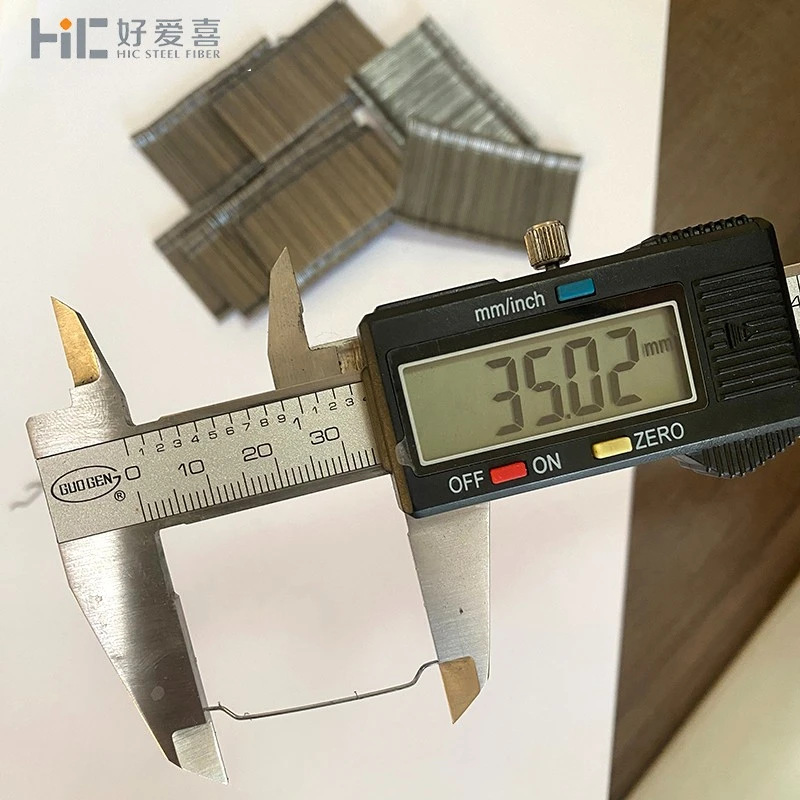
Choose steel fibers with a suitable length and aspect ratio. For example, Supersack 0.62*35 Glued Steel Fiber is designed to provide good reinforcement while also being relatively easy to pump. The glued design helps to prevent the fibers from clumping together during mixing and pumping.
Optimize the Mix Design
Work on optimizing your concrete mix design. Adjust the water - cement ratio, aggregate size, and use of additives to improve the flowability of the concrete. You can also add superplasticizers, which are chemicals that reduce the water content of the concrete while maintaining its workability. This can help to counteract the increase in viscosity caused by the steel fibers.
Proper Mixing
Ensure that the steel fibers are properly mixed into the concrete. Use a high - energy mixer to disperse the fibers evenly throughout the mix. This will reduce the chances of fiber clumping and improve pumpability.
Real - World Examples
In many construction projects, steel fiber - reinforced concrete has been successfully pumped for floor applications. For instance, in a large commercial building project, FRC Steel Fibres for Concrete were used to reinforce the concrete floors. By carefully selecting the fiber type, optimizing the mix design, and using proper mixing techniques, the concrete was pumped smoothly without any major issues.
Another example is a residential project where Concrete 3D Steel Fiber was added to the concrete for the basement floor. The 3D shape of the fibers provided excellent reinforcement, and with the right mix design, the concrete was pumpable, resulting in a high - quality floor.
Conclusion
So, does steel fiber affect the pumpability of concrete for floors? The answer is yes, but it doesn't have to be a negative impact. With the right type of steel fiber, proper mix design, and good mixing techniques, you can achieve both good reinforcement and pumpability.
If you're involved in a construction project that requires steel fiber - reinforced concrete for floors and have questions about pumpability or which type of steel fiber to use, don't hesitate to reach out. We're here to help you with all your steel fiber needs. Whether you're a contractor, an engineer, or an architect, we can provide you with the best solutions for your project.
References
- Neville, A. M. (1995). Properties of Concrete. Pearson Education.
- ACI Committee 544. (1996). State - of - the - Art Report on Fiber - Reinforced Concrete. American Concrete Institute.